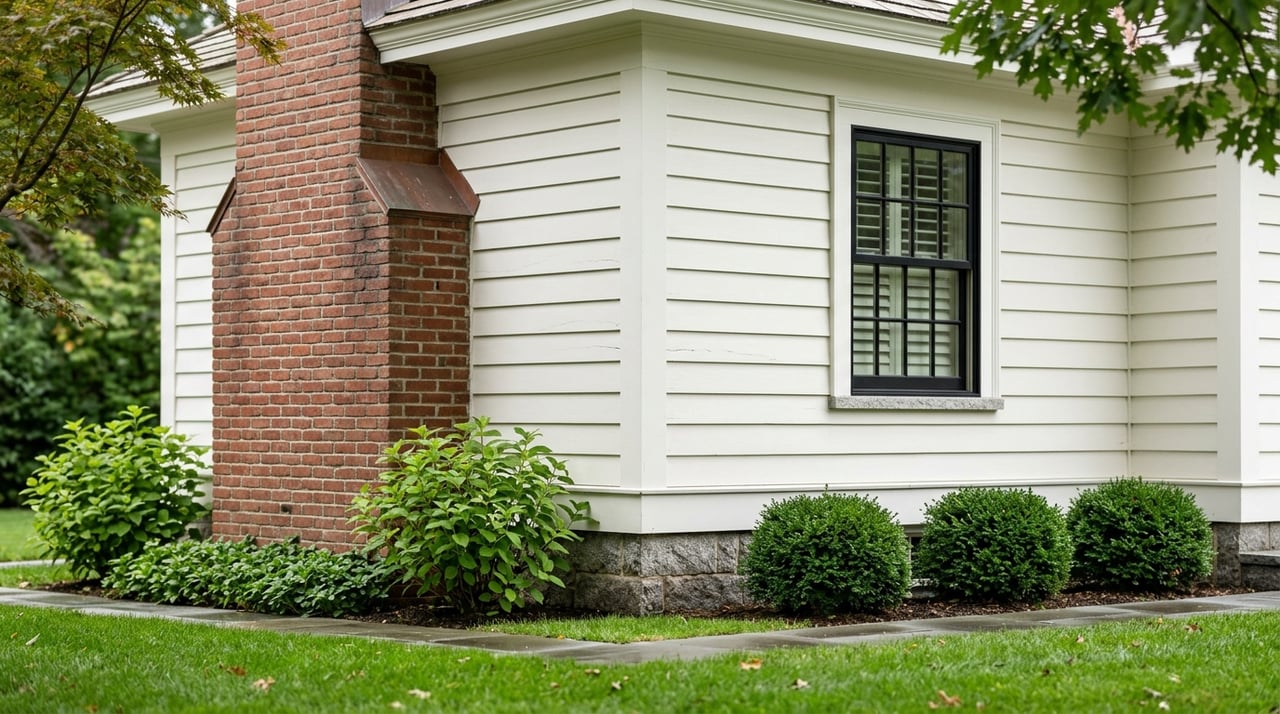
Trying to decide between the character of an older Weston home and the ease of a newer build? You are not alone. In Weston’s luxury market, where prices often sit in the low-to-mid $2 million range, the choice you make has real implications for your lifestyle, budget, and timeline. This guide breaks down what you actually get with each option, the inspections and risks to plan for, and a simple decision framework to help you move forward with confidence. Let’s dive in.
Weston market and housing mix
Weston offers a broad mix of homes. A meaningful share of the town’s housing stock was built before 1940, alongside many later 20th-century properties and recent renovations. That mix creates a clear tradeoff between historical detail and modern layouts.
The Town’s fiscal materials place the median assessed residential value in roughly the mid‑$1.6 million range, while recent market reporting shows median sale prices for single‑family homes tracking in the low‑to‑mid $2 million range. Price points vary by size, condition, location, and land.
One local factor shapes almost every purchase: most Weston homes use private onsite wastewater systems. There is no municipal sanitary sewer. That means Title 5 septic inspections and potential repairs or replacements are a routine part of due diligence and negotiations.
What you get with older homes
Layout and character
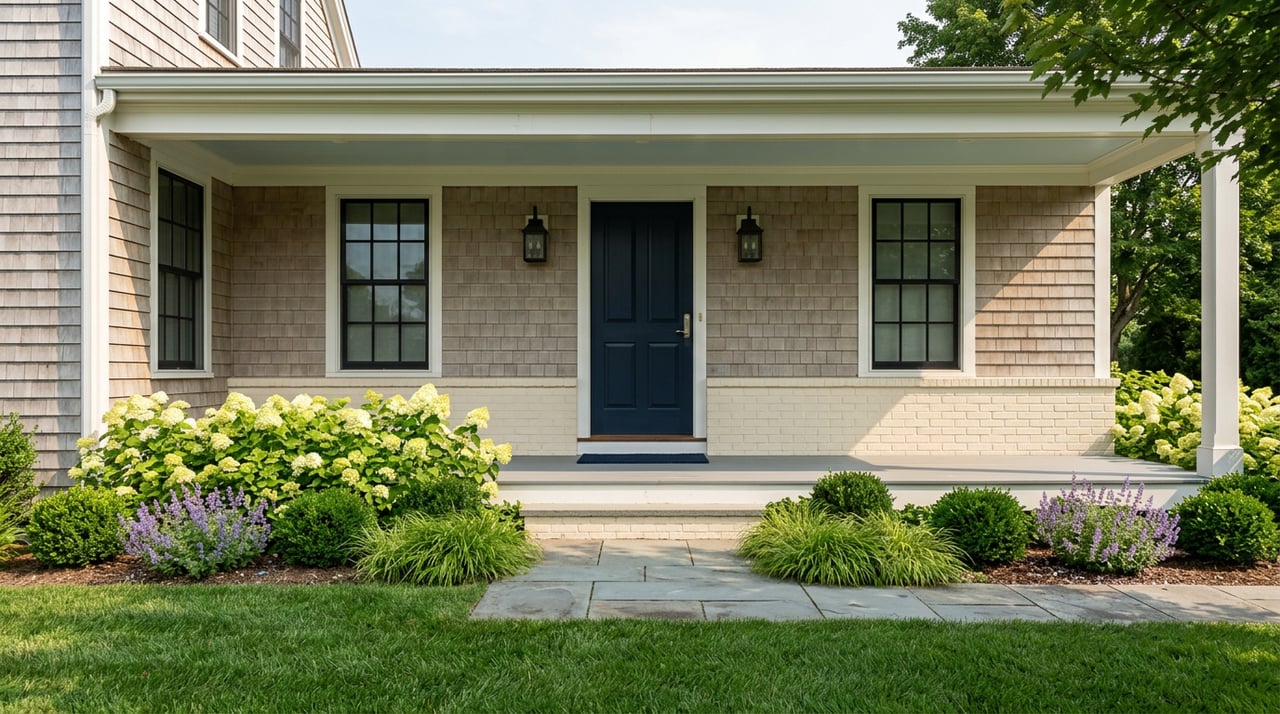
Older Weston homes often feature defined rooms, traditional circulation, and more bespoke millwork. Original kitchens may be smaller in unrenovated layouts. Buyers who value historic details, mature landscaping, and architectural variety often lean toward this category.
Structure and materials
You may see plaster and lath walls, original wood windows, masonry chimneys, and stone foundations. These materials offer charm and substance but can require specialized maintenance. Expect to evaluate window restoration, chimney lining, and foundation repointing where needed.
Systems and energy performance
Legacy mechanical systems are common. You may encounter oil-fired boilers or furnaces, older electrical panels, and galvanized plumbing in very old homes. Many properties have partial upgrades, but targeted improvements are typical after inspection.
Older homes can also lag on insulation, air sealing, and window performance. A home energy assessment is a smart early step. State and utility programs currently promote weatherization, heat-pump installations, and 0% HEAT loans that can help you plan an upgrade path. Confirm current eligibility and program terms before budgeting.
What you get with newer or fully renovated homes
Layout and livability
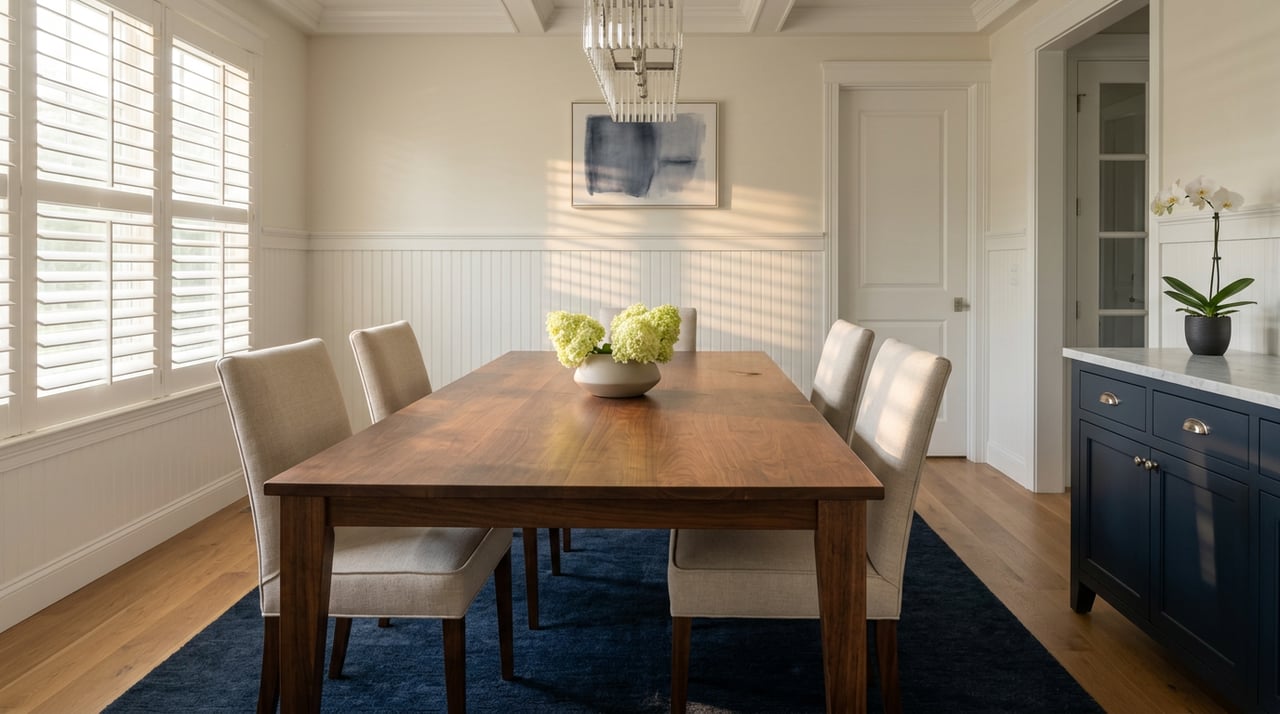
Newer construction and recent top-to-bottom renovations usually deliver open floor plans, larger kitchens, generous primary suites, integrated mudrooms, and better storage. Many also include finished lower levels for gyms, media rooms, or offices.
Systems and maintenance profile
You will typically see updated electrical service, modern heating and cooling, and newer roofs and windows. That reduces near-term capital needs and simplifies ownership. Purchase prices may be higher, but day-one maintenance is often lower.
Energy and electrification readiness
Recent builds and renovations tend to meet or approach current energy codes. Insulation, air sealing, and mechanical efficiency are better out of the gate. If you plan to electrify with heat pumps or induction cooking, confirm the home’s electrical capacity and panel configuration. State and utility incentives may offset parts of the project where upgrades are still needed.
Permits, historic review, and timelines
If you plan exterior changes on an older property, understand Weston’s preservation context early. The town maintains a Cultural Resources Inventory and enforces a Demolition Delay By‑law. For certain pre‑1945 homes or properties within designated areas, exterior changes that approach partial or full demolition can trigger additional review and a delay period intended to explore preservation alternatives.
Weston also has scenic roads where work may require special coordination. None of this should deter a purchase if the home fits your goals, but it can add time. Build permitting and design schedules that reflect potential review, and engage qualified architects and contractors familiar with Weston’s process.
Inspections every Weston buyer should plan
A rigorous inspection plan protects you in both older and newer homes. The following are core steps across most purchases:
- Full general home inspection covering structure, roof, electrical, plumbing, and HVAC.
- Title 5 septic inspection and Board of Health records review for systems history and compliance.
- Radon testing on the lowest livable level following real estate protocols.
- Private well water testing, if applicable, and review of the well log and pump age.
Extra checks for older homes
- Oil tank inspection and environmental screen. If a former or unknown tank is suspected, consider professional soil testing. Leaks can be very expensive to remediate.
- Lead paint disclosure and targeted testing for any house built before 1978, especially if you plan renovations that disturb paint.
- Asbestos survey if you will disturb suspect materials, such as pipe wrap, old floor tiles, or certain textured finishes.
- Chimney and fireplace inspection, particularly for masonry chimneys and older flues.
- Structural review for stone foundations, settlement, or water infiltration patterns.
Tip: Ask your inspector to provide a life‑expectancy overview on major systems. Water heaters often last about 10–15 years, furnaces and boilers can range 15–30 years, and asphalt roofs typically run 15–30 years depending on product and maintenance. Actual life varies with installation quality and care, so rely on field conditions and professional opinions.
Big cost risks to plan for
- Septic systems. A failing Title 5 inspection or a system nearing the end of its life can impact timelines and budgets. Confirm records, pump history, and feasibility of repairs or replacement on the lot.
- Oil tanks. Leaking tanks may trigger regulatory reporting and cleanup. If you see past or present oil use, investigate tank history and consider a soil test where uncertainty exists.
- Major systems or structural work. Electrical service upgrades, full HVAC replacements, chimney rebuilding, roof replacement, and structural foundation repairs can reshape a renovation budget. Obtain contractor bids for scope, not national averages.
Decision framework: which way should you lean?
Use this simple checklist to align the home you choose with how you plan to live.
Lifestyle fit
- Prefer turnkey, low-maintenance living with an open plan and a large kitchen? Lean newer or fully renovated.
- Love original detail, larger lots, and unique architecture and you are comfortable planning projects? Lean older.
Budget and contingency appetite
- Low tolerance for unknowns and near-term capital outlays? Newer homes reduce immediate project risk.
- Comfortable managing contractors and funding upgrades? Older homes may trade a lower price per square foot for higher initial improvements.
Time and disruption
- Need to move quickly and avoid renovation? Choose newer or fully renovated.
- Flexible timelines and open to phased projects? Older homes can reward patience.
Systems and electrification
- Plan to electrify quickly with heat pumps and induction? Confirm electrical capacity and insulation, and review current state utility incentives. Federal credits have changed over time, so check current IRS guidance before counting on tax offsets.
A practical due diligence game plan
Follow this sequence to reduce surprises and keep leverage during negotiations.
- Pre‑tour prep
- Define must‑haves versus nice‑to‑haves. Decide whether character or turnkey is the higher priority.
- Review likely inspections and timelines so you can act quickly on a fit.
- Offer stage
- Include a general inspection contingency and a Title 5 contingency where applicable.
- Build in radon and well testing if relevant.
- Contingency window
- Complete inspections and estimates early, including oil tank evaluation where indicated.
- Order a home energy assessment and collect quotes for any priority upgrades.
- Engage an architect or contractor for scoping if you plan major changes, especially on older or historically significant properties.
- Before closing
- Resolve septic or well issues and clarify Board of Health requirements.
- Finalize insurance with awareness of older systems and any renovation plans.
The bottom line
You cannot go wrong choosing either side in Weston if the home aligns with your lifestyle, budget, and timeline. Newer or fully renovated homes buy you time and predictability. Older homes offer one‑of‑a‑kind character and often larger lots, with a more hands‑on improvement curve. Either way, a strong inspection plan, early energy assessment, and clear renovation roadmap will help you protect value and enjoy the home from day one.
If you would like a construction‑informed perspective on a specific property, schedule a private consultation with Jennifer Fish. We will help you weigh tradeoffs, budget realistically, and secure the right Weston home with confidence.
FAQs
In Weston, what are the main tradeoffs between older and newer homes?
- Older homes provide architectural character and variety with more project work, while newer or fully renovated homes deliver modern layouts and lower immediate maintenance.
How do septic systems impact a Weston purchase?
- Most homes rely on private septic, so a Title 5 inspection and Board of Health review are essential due diligence items and can influence negotiations and timelines.
What inspections are non‑negotiable for Weston buyers?
- A general home inspection, Title 5 septic inspection, and radon testing are core, with well testing where applicable.
Are oil tanks a big risk with older homes?
- Yes. Unknown or aging tanks can leak and require expensive cleanup, so check records and consider professional soil testing if a tank is present or suspected.
Will historic rules prevent me from renovating an older Weston property?
- Not necessarily, but Demolition Delay and other local reviews can add time and encourage preservation solutions, so build permitting and design schedules accordingly.
Are energy incentives available if I upgrade an older home?
- State and utility programs commonly support weatherization and heat pumps, and federal credits change over time, so confirm current details before budgeting.