Are you staring at a dated kitchen or tired baths and wondering if a renovation will pay off before you list in Wellesley? You are not alone. Many local sellers weigh construction dust against the promise of a higher sale price. In this guide, you will get a clear, local framework to decide what to fix, what to skip, and how to time everything for a smooth sale. Let’s dive in.
Wellesley market at a glance
Wellesley sits at the top end of Norfolk County’s price spectrum, which means buyers expect quality and presentation. Countywide, single family medians are far lower, underscoring Wellesley’s premium position in the region. You can use county context as a broad backdrop, but value in Wellesley is highly neighborhood specific. For reference on county medians, see the Massachusetts sales summary from The Warren Group.
Across the country, buyer preferences lean strongly toward move in ready. A recent survey found move in ready ranked as the number one priority among 2025 buyers, a pattern that carries into affluent suburbs like Wellesley where many buyers prefer turnkey living and minimal immediate projects. You can review those findings in this Bright MLS buyer priorities report.
Presentation also matters. Research from the National Association of Realtors shows that staging and strong visuals can sway buyer perception and speed up a sale, even when you are not changing the floor plan. See NAR’s summary on how staging influences buyer decisions.
What buyers pay for in Wellesley
In a premium suburb, buyers tend to pay a premium for a few visible and functional priorities:
- Modern kitchens and bathrooms that feel consistent with the price band.
- The right bedroom and bathroom count for the segment you are targeting.
- Sound major systems such as roof, HVAC, windows, and electrical.
- Attractive curb appeal that photographs well and looks cared for.
If you plan updates, match them to neighborhood comparables. Over improving past the local standard can limit how much value you capture.
Renovate vs sell as is: a simple framework
Use this six step process if you plan to list in the next 6 to 18 months.
Step A: Start with your comps
Ask a local listing advisor for a neighborhood CMA and a frank pricing opinion. If the most recent sold homes in your micro market are already updated, today’s buyers will account for that when they compare your home. If nearby comps are more original, a focused refresh may be enough to compete.
Step B: Do a pre listing inspection
Order a pre listing inspection or targeted system checks. This helps you separate safety or code issues from purely cosmetic items and reduces the risk of renegotiation later. A modest upfront inspection cost can speed your sale and put you in control of which repairs to complete. For a useful overview, see this summary of how pre listing inspections help sellers.
Step C: Get real numbers from contractors
For any project you are considering, collect two to three written estimates that include scope, allowances, permit handling, and a realistic schedule. Compare each cost to the likely price lift in your segment. Regional Cost vs Value data for New England shows that certain visible projects tend to recoup a large share of cost at resale, but outcomes vary by neighborhood and quality tier. Explore the New England figures in the Remodeling Cost vs Value report.
Step D: Prioritize where it counts
Most Wellesley sellers get the best return by following this order:
- Code, safety, and major systems. Address roof, HVAC, electrical, and other items an inspection might flag.
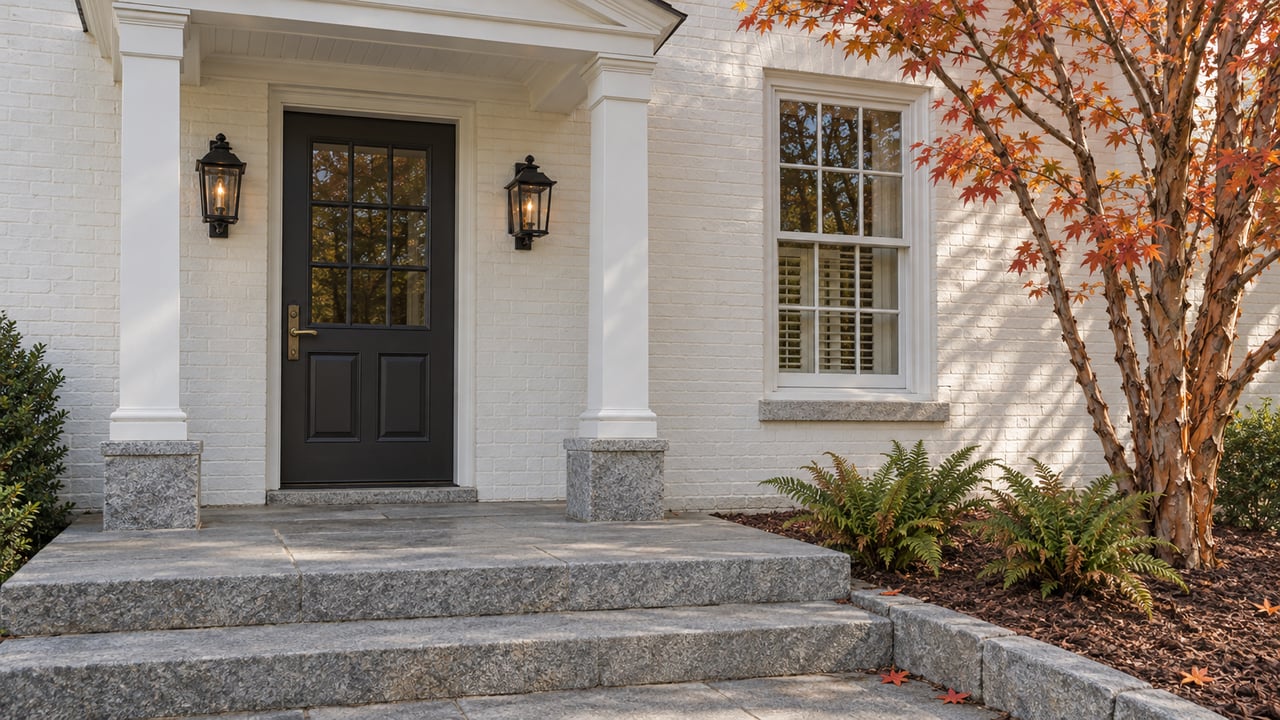
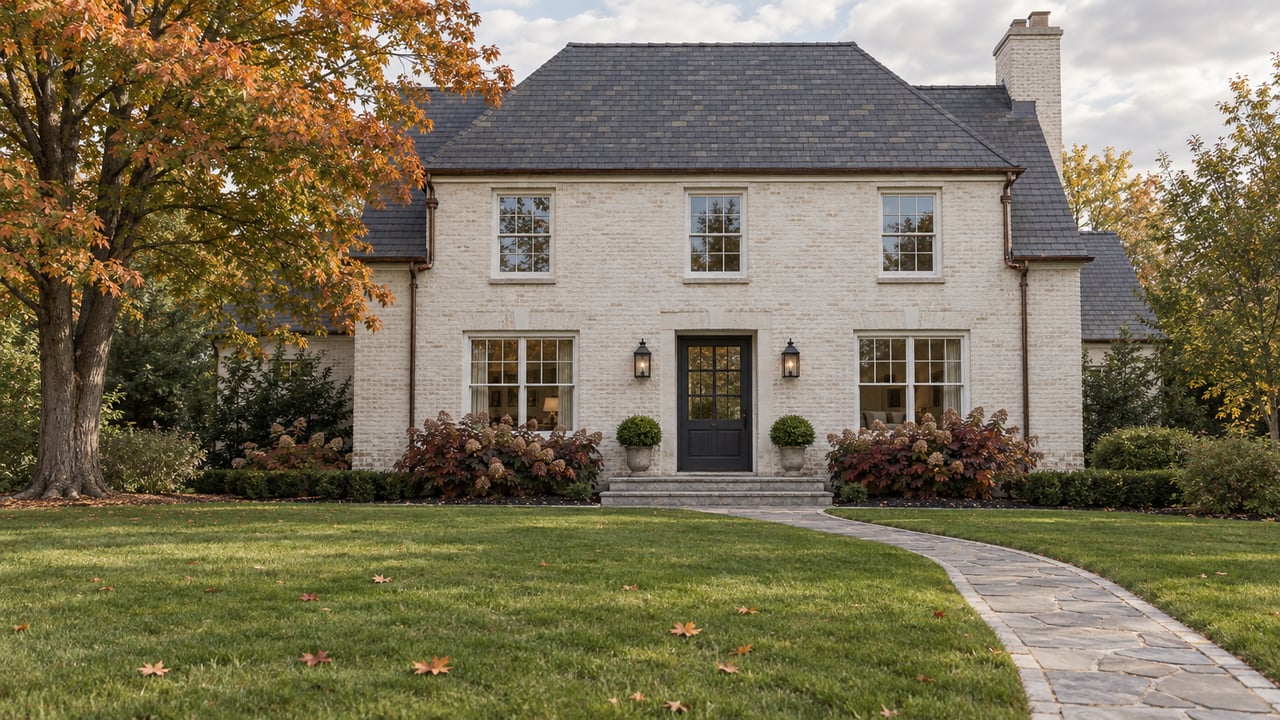
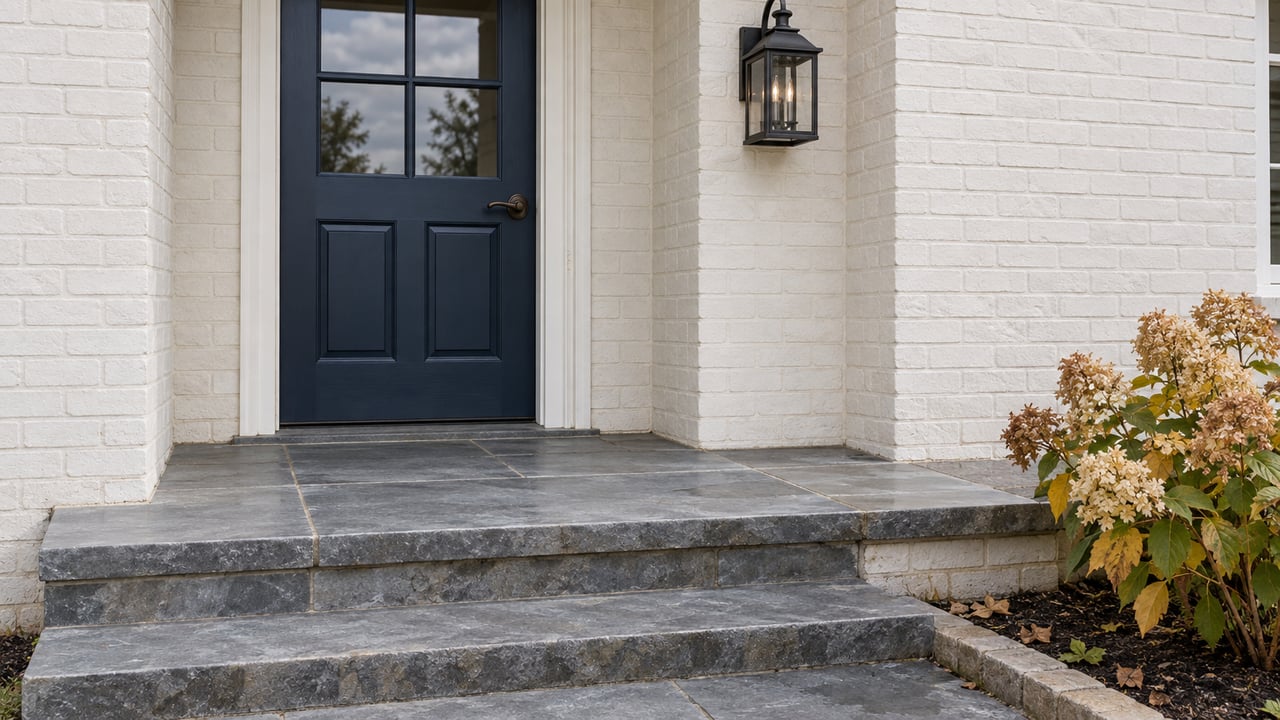
- Curb appeal and staging. Fresh paint, an upgraded entry or garage door, landscaping, and thoughtful staging usually punch above their weight.
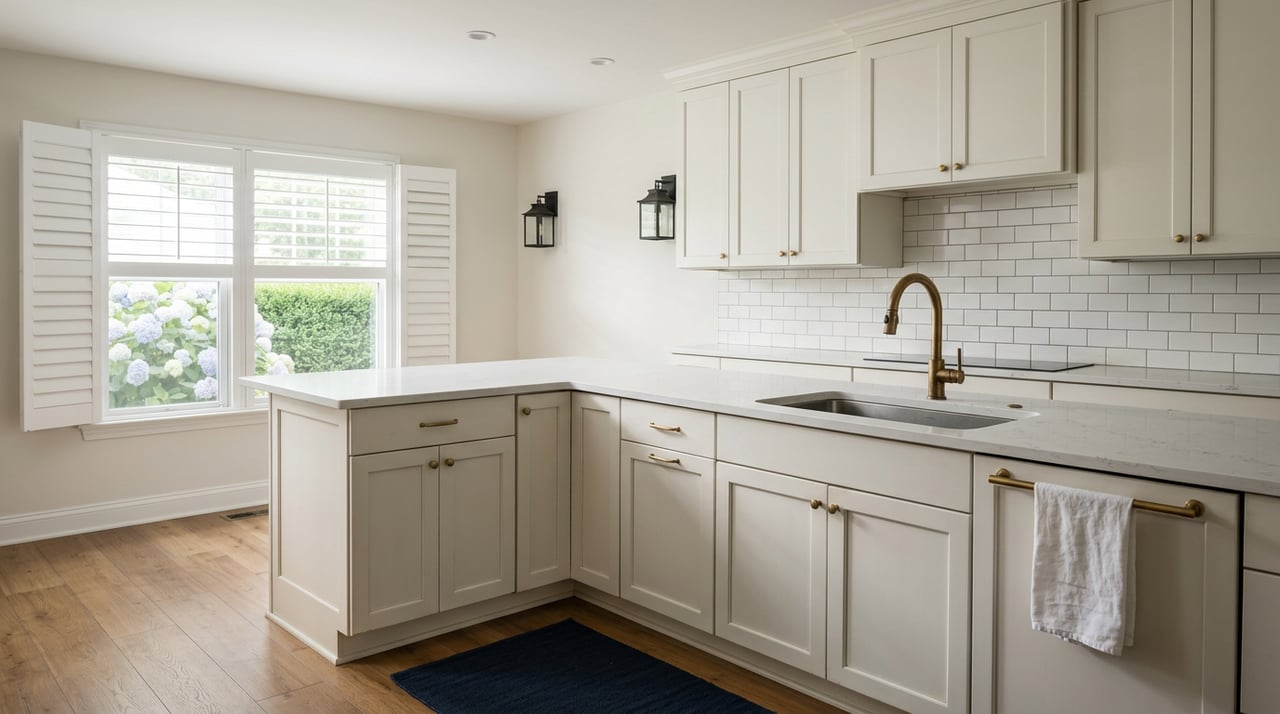
- Minor kitchen and bath refreshes. Cabinet paint and hardware, new counters, lighting, and selective appliance swaps can modernize without a full gut.
- Large structural changes. Consider full scale kitchen renovations or additions only if your comps support it or you plan to hold the home long enough to enjoy and recapture the investment.
This order aligns with the New England Cost vs Value patterns and NAR findings on staging impact.
Step E: If you sell as is, reduce buyer risk
If you choose to sell as is, document the home’s condition with a pre listing inspection and price accordingly. Some sellers offer a limited inspection credit rather than performing upgrades. Keep in mind that Massachusetts requires Title 5 inspections for properties with septic systems at transfer, and there are specific lead paint disclosure requirements for pre 1978 homes. Review the state Title 5 inspection rules here.
Step F: Align your timeline to permits and lead times
Plan your calendar around two variables: town permitting and contractor availability. In Wellesley, most building, plumbing, gas, and electrical work requires permits, and plan review is typically about 7 to 14 business days. Check the Town’s Building Permit guide for specifics.
Industry surveys show remodeler backlogs have eased but still add weeks to start dates. Cosmetic work like paint and staging often fits into a 1 to 4 week window. A midrange bathroom may take 4 to 8 weeks once underway. A full kitchen gut can stretch 3 to 6 months with design, permits, inspections, and materials. For a feel of current construction sector trends, see the Houzz Renovation Barometer.
Project types, costs, and timing
Below are the most common pre listing projects for Greater Boston sellers and what to expect.
Curb appeal that converts
- Entry or garage door upgrades and modest siding or paint touch ups often deliver strong cost recapture in New England. These projects are visible in photos and at first glance, so they influence buyer emotion and confidence. See top performers in the regional Cost vs Value data.
Kitchen updates: refresh or full gut
- Minor refresh. Paint or reface cabinets, swap hardware, update counters and lighting, and consider a targeted appliance update. In Greater Boston, a light refresh commonly ranges from about 5,000 to 25,000 dollars depending on scope and finishes. These projects often have stronger percent recoup than full scale kitchen rehabs.
- Full gut. High end kitchen renovations in Greater Boston often start near the mid five figures and can exceed 150,000 dollars with custom cabinetry or structural changes. Reserve this for situations where neighborhood comps support it or you plan to enjoy the upgrade for several years.
Bathroom updates that sell
- A midrange full bathroom remodel commonly runs about 15,000 to 50,000 dollars in Greater Boston. A small powder room refresh can be below 10,000 dollars. Cost ranges vary with materials and layout changes. For Boston area cost context, review this bathroom remodeling guide.
Systems and hard repairs
- Roof, HVAC, electrical, windows, and water management are non negotiable in buyer diligence and lender underwriting. Proactively addressing these often reduces credits in negotiation and increases buyer confidence. Exterior and window projects also perform well in New England on cost recapture according to the Cost vs Value report.
Permitting in Wellesley
- Most regulated building, plumbing, electrical, and gas work requires permits. Contractors must be registered with the Town, and many trades require licensed professionals to apply and sign. Expect roughly 7 to 14 business days for plan review in many cases and confirm whether any zoning or Design Review Board input is needed for exterior changes. Start with the Town’s Building Permit page.
Lead times and scheduling reality
- Plan earlier than you think. Project start backlogs can still be several weeks, and specialty materials or custom items may add months. A practical schedule: paint, hardware, and staging in 1 to 4 weeks, a midrange bath in 4 to 8 weeks, and a full kitchen in 3 to 6 months. The Houzz industry snapshot offers helpful timing context in its construction sector report.
When selling as is makes sense
Selling as is can be the right move if:
- Your neighborhood comparables are not recently renovated and your pricing target fits that band.
- The work required is large, complex, or would push you past your ideal move date.
- A pre listing inspection shows manageable items that can be priced in rather than corrected.
- You are prepared to offer an inspection credit to help buyers handle near term projects themselves.
No matter which path you choose, comply with state rules on septic Title 5 at transfer where applicable and required disclosures for older homes. Review Title 5 inspection requirements here.
Smart budget priorities for ROI
If you are optimizing for return, focus on visible, market matched improvements and must fix items:
- Fix safety and systems first to avoid deal friction.
- Invest in curb appeal and staging that create an immediate impression.
- Choose light touch kitchen and bath updates where finishes feel aged, but avoid over improving beyond local comparables.
- Use regional Cost vs Value data to rank projects, then validate with your agent’s pricing analysis of nearby sales. Start your prioritization with the New England Cost vs Value findings and NAR’s staging research.
A quick 90 day prep checklist
- Weeks 0 to 2: Get a neighborhood CMA and define your price band and likely buyer pool.
- Weeks 0 to 4: Order a pre listing inspection. If your property has septic, schedule Title 5 early. See the state’s Title 5 requirements here.
- Weeks 2 to 8: Request two to three contractor bids for prioritized items. Confirm permit handling and target timelines. Start with the Town’s Building Permit guidance.
- Weeks 4 to 12: Complete high impact fixes such as paint, entry or garage door, minor kitchen or bath refreshes. Stage and schedule professional photography informed by your agent’s marketing plan.
Final thoughts
You do not need to renovate everything to win in Wellesley. The best outcomes come from an accurate read on your micro market, a clear scope focused on must fix and high visibility updates, and a timeline that respects permits and contractor schedules. If you want a construction informed opinion on where to invest and how to tell the story of your home to the right buyers, let’s talk. Book an appointment with Jennifer Fish to map your renovate versus sell as is plan with precision.
FAQs
Should I renovate before selling my Wellesley home?
- Start with local comps and a pre listing inspection. If nearby sales in your price band are updated, targeted refreshes often help. Use the New England Cost vs Value report to prioritize visible, high return projects.
What permits will I need in Wellesley for pre listing work?
- Most building, plumbing, gas, and electrical work requires permits, and many trades must be pulled by licensed pros. Plan for about 7 to 14 business days for plan review. Check the Town’s Building Permit page for current requirements.
How long do kitchen and bath remodels take in Greater Boston?
- Cosmetic updates can be done in 1 to 4 weeks. A midrange bathroom often takes 4 to 8 weeks once underway, and a full kitchen gut can run 3 to 6 months including permits and inspections. See current industry timing trends in the Houzz Renovation Barometer.
When does selling as is make financial sense in Wellesley?
- It can be wise when your comps are not fully renovated, the required work is extensive relative to your timeline, or you would rather price in improvements. Always document condition with a pre listing inspection and comply with state transfer rules like Title 5 where applicable. Review Title 5 details here.
Does staging help if I am not renovating?
- Yes. NAR research shows staging and strong listing photos can improve buyer perception and reduce time on market, even without major renovations. See the NAR summary on staging impact.
How does Wellesley compare to broader Norfolk County pricing?
- Wellesley is a premium priced suburb relative to county medians, which shapes buyer expectations for finishes and condition. For county level context, see the Massachusetts report from The Warren Group.