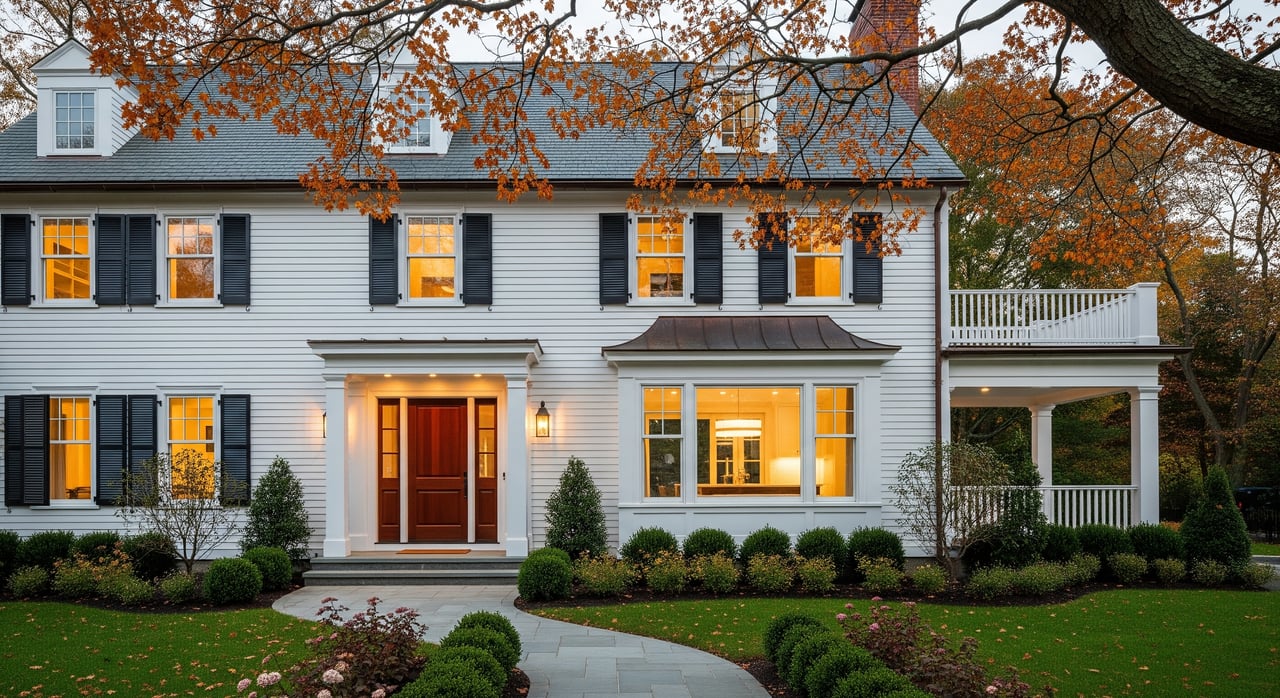
Thinking about renovating before you list in Wellesley or nearby Boston suburbs? You want to invest where buyers notice, not where money disappears. In this guide, you will learn which upgrades tend to deliver the best resale value here, what to skip, and how to plan for permits, timelines, and incentives in Massachusetts. Let’s dive in.
What drives ROI in Wellesley
Wellesley buyers expect quality. Many homes are older, and the market leans toward high finishes, updated kitchens and baths, and polished curb appeal.
- Affluence and expectations: Updated, well-staged homes sell faster and at a premium relative to the town median when aligned with neighborhood norms.
- School influence: Family-friendly layouts with multiple bedrooms, a functional home office, and finished lower levels often command stronger offers.
- Historic context: Exterior materials, colors, and design choices may be guided by neighborhood or historic expectations, which can affect permit steps and cost.
- Infrastructure checks: Confirm sewer vs septic, municipal vs well water, and any floodplain or wetlands factors. These can shape what you are allowed to build and how long it takes.
- Pricing discipline: Over-improving beyond nearby comparables still risks weak ROI. Always validate your plan with current local sales and days-on-market trends before spending.
Best projects by priority
Priority A: High-impact, modest cost
Curb appeal and first impressions
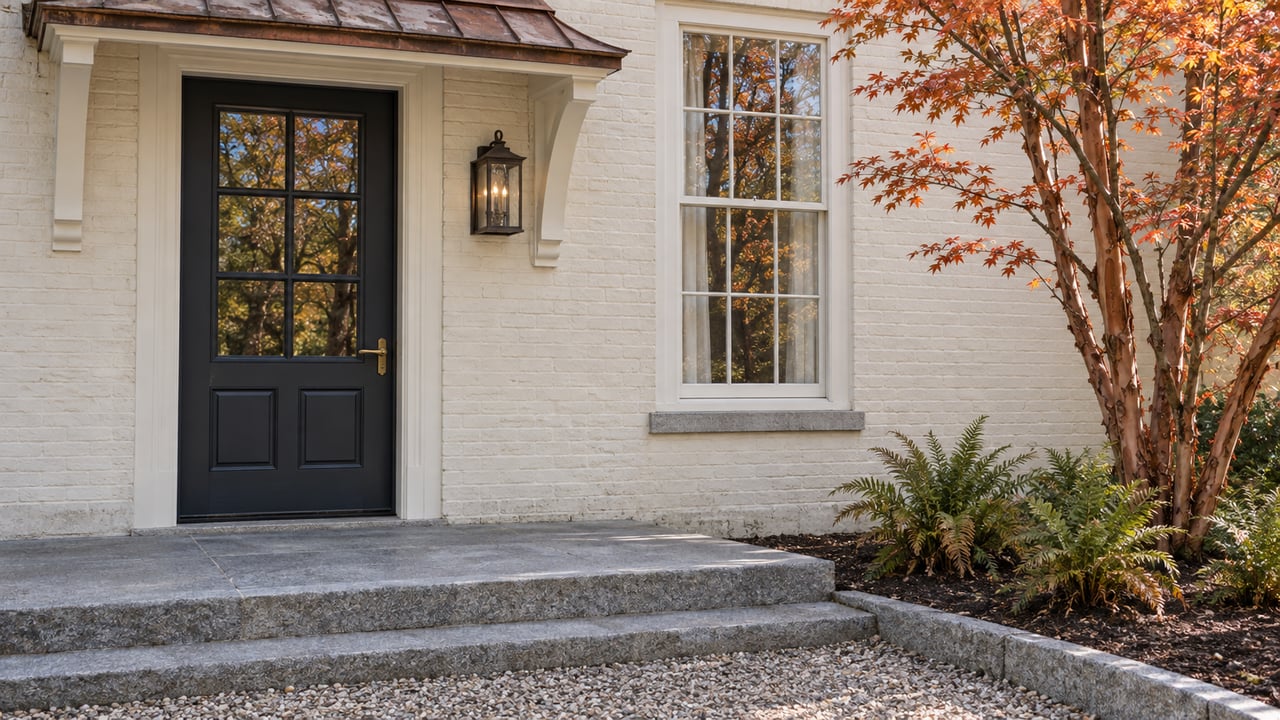
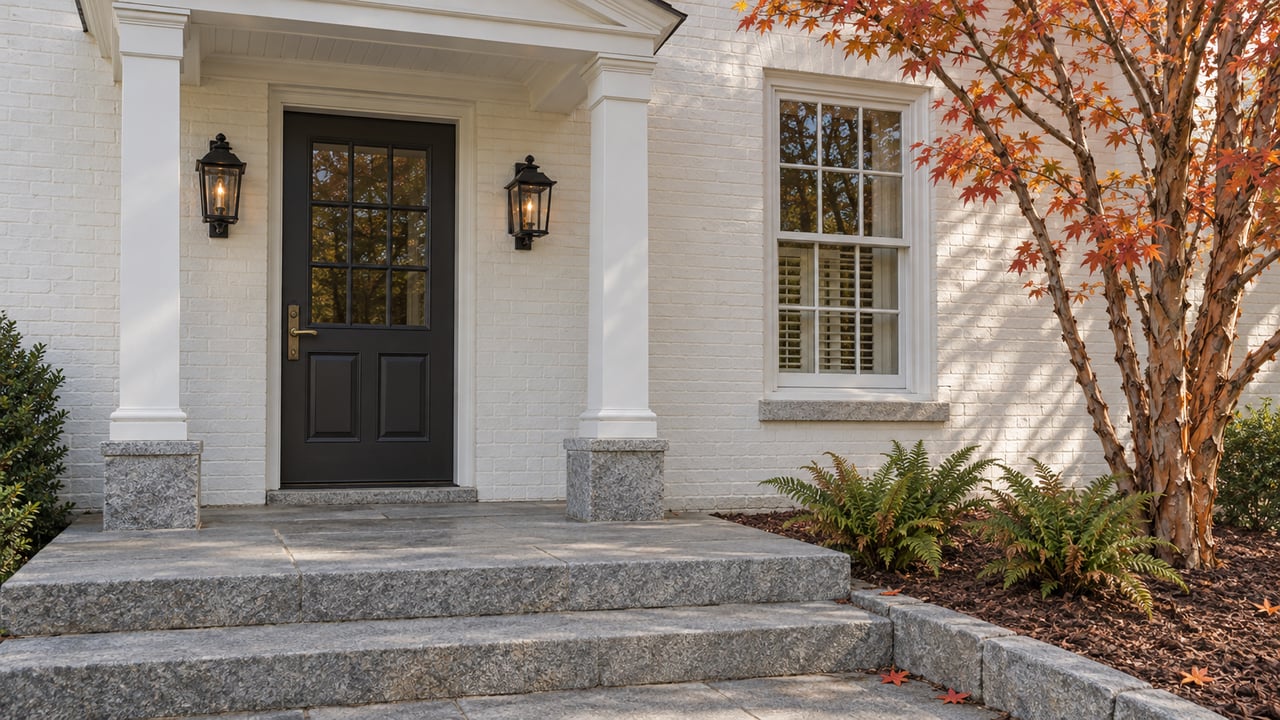
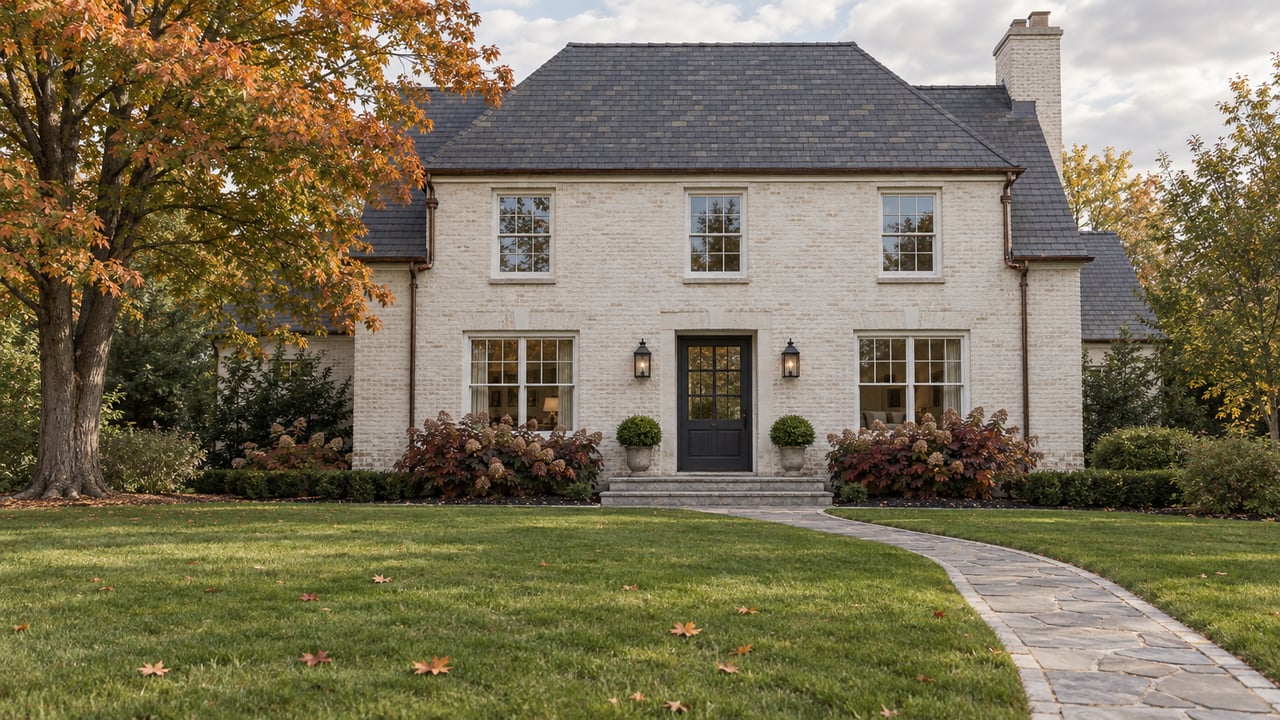
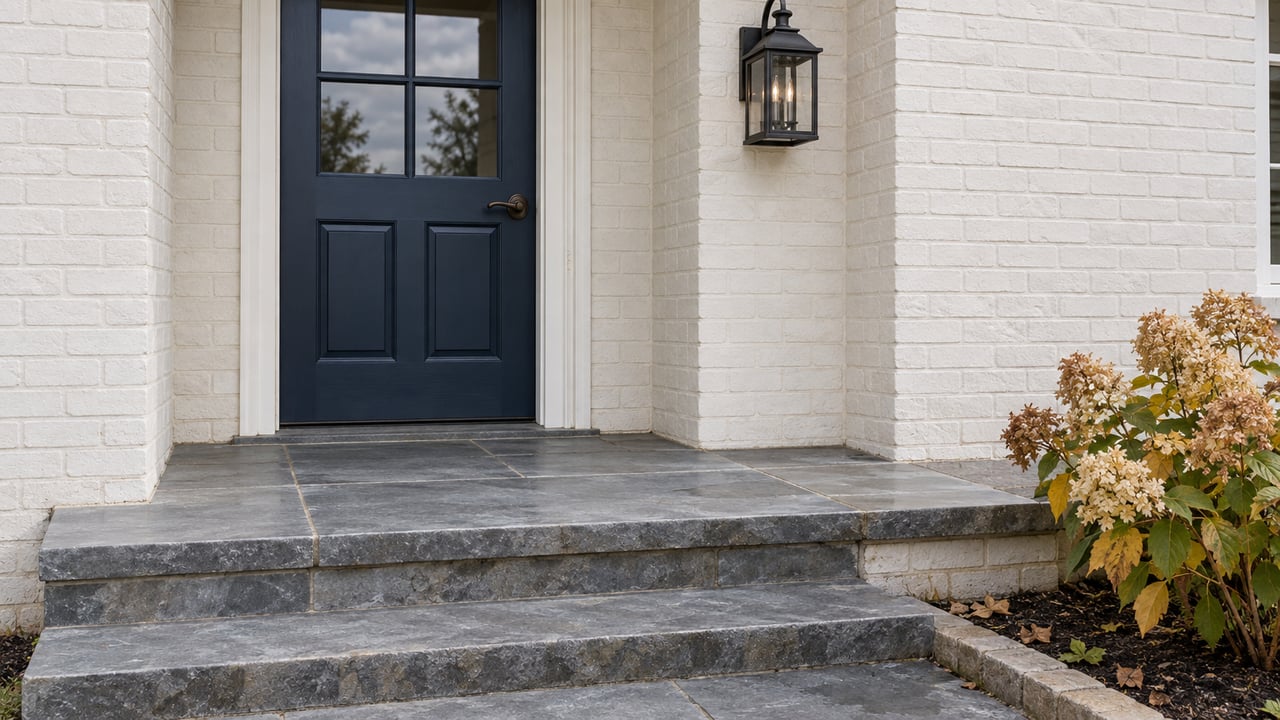
Your exterior sets the tone before buyers step inside. Focus on a clean facade, fresh paint or power-wash, a standout front door, tidy walkways, and simple landscape refreshes. New house numbers and lighting read as quality without a big spend. Keep colors and materials consistent with neighborhood character, especially in areas with design guidance.
Interior paint, decluttering, and staging
Neutral paint, a deep clean, and edited furnishings make rooms feel larger and brighter. Professional staging can be worth it, especially in higher-end Wellesley listings. Staging clarifies function for spaces like offices or flex rooms and can reduce buyer objections. Keep decor simple so buyers picture their own life there.
Flooring refresh
Refinish hardwoods where possible and replace worn carpet. In older Wellesley homes, uncovering quality wood floors is a win. Match finish levels to your price band so updates feel cohesive. Avoid mixing too many flooring types, which breaks visual flow.
Priority B: Rooms buyers scrutinize
Kitchen refresh, not always a gut
Kitchens drive decisions, but you do not always need a full rebuild. A midrange refresh can include painting or refacing cabinets, new hardware, updated countertops, a modern sink and faucet, fresh backsplash, improved lighting, and reliable appliances. Reserve a full, high-end remodel for top price brackets where comps support it. Cosmetic work may not require permits, but any plumbing or electrical changes typically do.
Bathroom upgrades that feel new
Clean, modern baths are table stakes for many buyers. Focus on vanities, tile, fixtures, lighting, mirrors, and a fresh shower or tub surround. In family-oriented areas, an updated main bath or an improved en-suite can boost appeal. Moving walls or plumbing affects cost and timelines and usually requires permits.
Layout and livability improvements
Enhance flow and function with small moves. Create open sightlines where structurally feasible, prioritize a defined home office, and add closets where storage is light. Consult pros before removing any walls, and be mindful of historic-era structural conditions. Aim for better day-to-day usability, not just a trendy look.
Priority C: Systems and square footage
Major systems that remove objections
Roof, windows, HVAC, electrical panels, and septic or sewer tie-ins rarely deliver the highest percentage recapture on paper, but they prevent deal-killing inspection issues. In Wellesley and surrounding towns with older stock, buyers watch system ages closely. If you are on septic, lenders may require verification or upgrades, which can be costly and time sensitive. Permits and inspections are standard, so plan early.
Finished basements and attics
Added legal living space can move your value meaningfully when it aligns with neighborhood norms. For basements, confirm dryness, ceiling heights, insulation, and egress. Match the finish level to the rest of the home so the space feels integrated. Families in Wellesley often prize a well-finished lower level for play, fitness, or media.
Thoughtful additions
Adding a bedroom, bath, or expanded suite can pay in the right locations, but cost and timelines are significant. In Wellesley’s top tiers, a well-designed primary suite or an additional full bath can make a home more competitive. ROI depends on per-foot values and nearby comps, so confirm that the resulting size and finish land in the expected range for your street.
Priority D: Efficiency and outdoor living
Energy-efficiency upgrades
Insulation, air sealing, high-efficiency HVAC or heat pumps, and quality windows reduce operating costs and appeal to buyers. Massachusetts offers incentives through programs like Mass Save, and federal credits may apply. Factor incentives into your budget to improve effective ROI. Permits are typical for mechanical work.
Decks, patios, and simple outdoor rooms
Functional outdoor space is a major plus in suburban markets. Choose a size and finish that fits the lot and neighborhood. Low-maintenance materials and basic lighting help. Check setbacks and conservation zones before building.
Solar and EV readiness
Buyer interest in solar and EV charging is growing. Roof condition and orientation matter, and ownership structure for panels can affect a sale. Massachusetts solar programs and utility rules shape the numbers, so confirm current details before committing.
Permits and local constraints
- Building department: Many projects need permits, including structural changes, additions, reconfigurations affecting egress, electrical and plumbing work, HVAC changes, and most finished basements.
- Historic and neighborhood context: Some areas expect certain exterior materials or colors and may require design review. Confirm early to avoid rework.
- Septic vs sewer: Parts of Norfolk County, including the town of Norfolk, have septic systems. Condition and capacity affect scope, cost, and financing readiness.
- Conservation and wetlands: In Wellesley, wetlands and conservation areas can influence decks, pools, additions, and grading. Expect added review and potential mitigation.
Budget and timeline strategy
- Start with comps: Compare your home to recent solds within one mile in the same school district and price band. Target the neighborhood expectation, not the outlier.
- Tackle must-fix items first: Safety, roof leaks, nonfunctioning systems, and high-risk inspection items come before cosmetics.
- Prioritize high-impact cosmetics: Paint, floors, lighting, hardware, curb appeal, and midrange kitchen and bath refreshes often punch above their weight.
- Get three local bids: Ask for clear scopes, timelines, permit responsibilities, and handling of unforeseen conditions, which are common in older homes.
- Match scope to timing: If you plan to sell soon, focus on fast, high-visibility updates. For longer horizons, consider energy upgrades, finishing lower levels, or a right-sized addition.
- Watch the market: Conditions shift. Check current local data on pricing and days on market before finalizing your budget.
Financing and incentives in Massachusetts
- Common paths: Cash, HELOCs, home equity loans, cash-out refinances, renovation loans, and contractor financing are typical options. Choose based on timing and risk tolerance.
- Energy incentives: Mass Save offers assessments, rebates, and incentives for insulation, air sealing, and heat pumps. Federal credits may further improve the math. Programs change, so confirm eligibility and amounts when you scope your project.
- Solar and net metering: State programs and utility rules shape solar economics. Verify current incentives and net metering policies, and consider roof age and orientation before installing.
Seller-ready checklist
- Order a pre-listing inspection to surface issues early.
- Repair essentials and deferred maintenance.
- Refresh paint and floors, and update lighting and hardware.
- Complete a midrange kitchen or bath refresh as needed.
- Elevate curb appeal with simple landscape and entry upgrades.
- Deep clean and stage key rooms, including a defined home office.
- Gather permits, warranties, and manuals for buyers.
Questions to ask contractors
- Are you licensed and insured for work in this town and county?
- Can you share local references for similar projects?
- Who pulls permits and schedules inspections?
- What are the timeline and payment schedule?
- How do you handle change orders and hidden conditions?
How a construction-informed advisor helps
Smart renovation is a valuation exercise, not just a design choice. You need a clear target condition that fits your street, a budget matched to current comps, and a scope that avoids costly surprises. A construction-informed approach helps you prioritize, confirm permit paths, and line up the right team at the right level.
If you want a tailored plan for your property, pricing, and timing, connect with Jennifer Fish for a one-to-one consultation and premium listing strategy. Book an Appointment.
FAQs
Which renovations add the most value in Wellesley?
- Start with curb appeal, paint, floors, a kitchen and bath refresh, and essential system repairs; consider finished basements or efficiency upgrades where comps support them.
Is a full kitchen gut worth it here?
- Only in top price brackets where nearby sales show similar high-spec kitchens; otherwise, a midrange cosmetic refresh usually delivers better ROI and faster completion.
Do I need a permit to finish a basement in Wellesley?
- In most cases yes, especially for egress, electrical, plumbing, insulation, and ceiling height compliance; verify requirements with the building department before starting.
Should I replace an aging roof before listing?
- If the roof is near end of life or leaking, replacement can prevent inspection credits and buyer hesitation, even if the percentage recapture is moderate on paper.
How do Mass Save incentives affect ROI?
- Rebates and incentives for insulation, air sealing, and heat pumps lower your net costs, improve comfort, and add marketing appeal, which can strengthen resale value.
What if my home is on septic in the town of Norfolk?
- Verify system condition early; lenders often require proof of function or upgrades, and costs and timelines can affect both your project plan and your sale strategy.