What makes a home in Weston feel like Weston? If you have toured a few properties, you have likely noticed classic New England lines, gracious lots, and a surprising range of eras and styles. That mix can be exciting, but it can also make decisions harder when you are comparing price, condition, and potential. In this guide, you will learn how to recognize Weston's major architectural styles, what those features mean for maintenance and value, and how to plan smart inspections or updates. Let’s dive in.
Why Weston’s architecture stands out
Weston’s housing grew in waves. Early village homes from the 18th and early 19th centuries still anchor older roads. In the late 19th and early 20th centuries, Boston-area families established country estates here, bringing architect-designed Shingle Style, Colonial Revival, and Tudor Revival houses. After World War II, the town added ranches, midcentury designs, and contemporary homes in select subdivisions and infill lots.
Large-lot zoning and preservation-minded planning have helped protect the town’s low-density, park-like feel. You will see mature trees, historic stone walls, and generous setbacks that give homes privacy. The result is a landscape where period houses, estate-era architecture, and thoughtful newer builds coexist.
Quick style ID guide
Use these cues when you pull up to a Weston home:
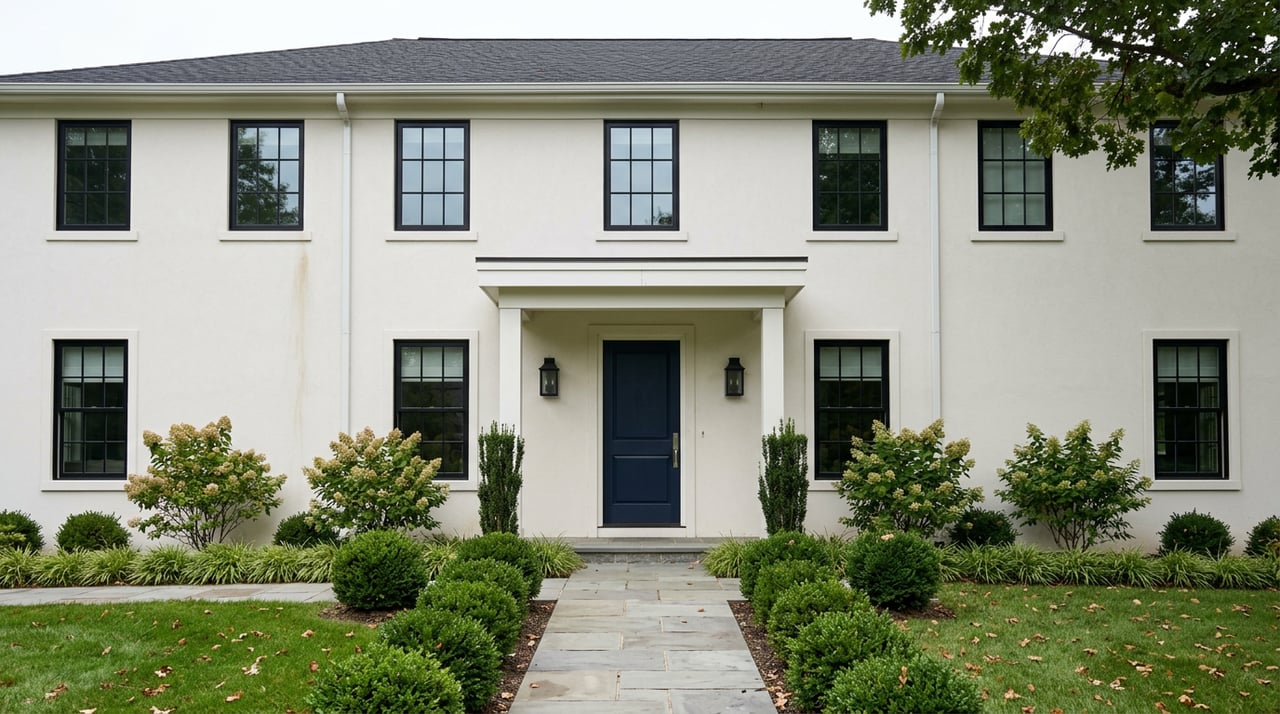
- Symmetry and a central entrance with simple classical trim often signal Colonial, Georgian, or Colonial Revival.
- A fanlight or elliptical transom over the door points to Federal.
- A gable-front, temple-like façade with columns suggests Greek Revival.
- Steep gables with decorative vergeboards indicate Gothic Revival.
- Low-pitched roofs with brackets under wide eaves are typical of Italianate.
- A distinctive mansard roof signals Second Empire.
- Asymmetry, textured shingles, and a turret lean Queen Anne.
- A continuous shingle “skin” over complex forms is classic Shingle Style.
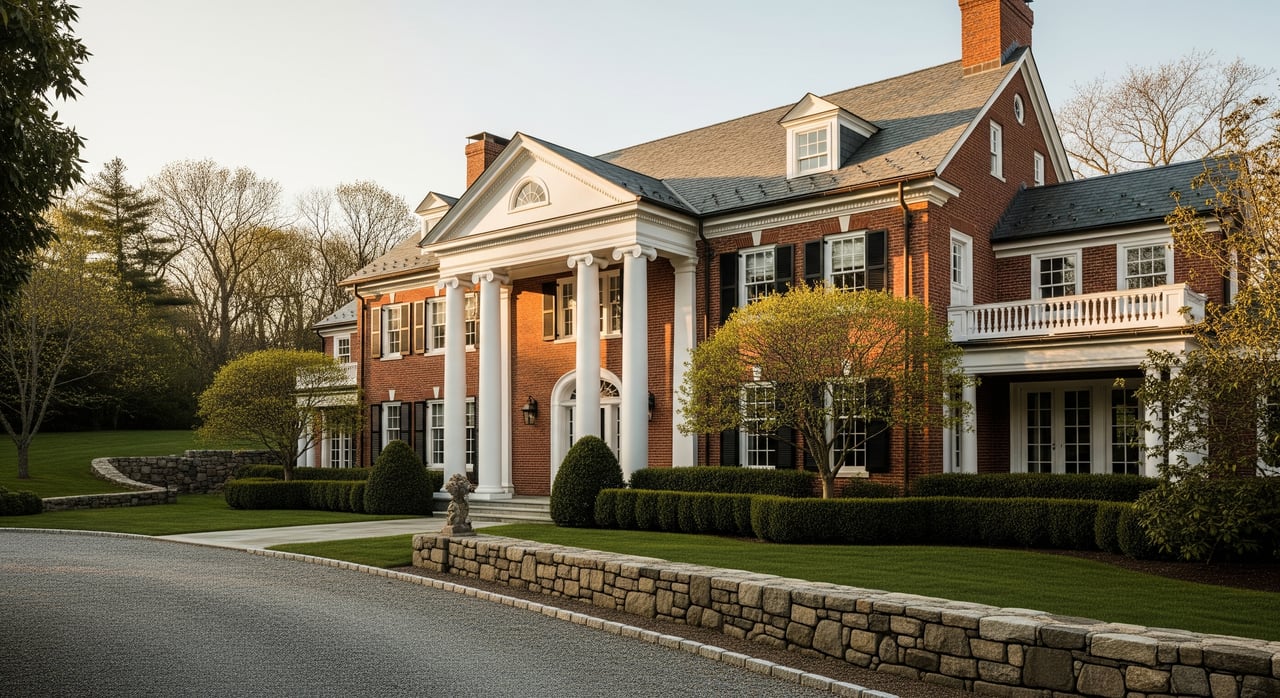
- A symmetrical façade with a classical portico on a larger scale reads Colonial Revival.
- Steep roofs and half-timbering indicate Tudor Revival.
- A low, wide profile with large windows suggests Ranch or midcentury.
- A boxy two-story house with a full porch may be an American Foursquare.
- Exposed rafters and tapered porch columns point to Craftsman/Bungalow.
Weston's key styles explained
Colonial and Georgian
You will find 18th-century Colonial and Georgian houses near older village areas. Look for symmetrical façades, central or off-center chimneys on earlier examples, multi-pane windows, and wood clapboard or shingle siding. These homes tend to have smaller footprints than later revival versions, with simple classical trim and a central entry.
Federal
Federal-period houses refine the earlier Colonial look with lighter proportions. Typical features include a fanlight or elliptical transom over the door, sidelights, and slender moldings. Some examples include Palladian windows. Materials are usually wood clapboard, with a few brick buildings.
Greek Revival
Greek Revival homes often face the street with a gable-front, temple-like façade. You will notice wide cornices, boxed eaves, and porches with columns or pilasters. Six-over-six windows and a strong entablature are common. In Weston, these appear as mid-19th-century cottages and farmhouses along older roads.
Gothic Revival
Gothic Revival and Carpenter Gothic houses show steeply pitched gables, pointed-arch accents, and decorative bargeboards. Siding may be board-and-batten or clapboard. These picturesque cottages are scattered, and you will see similar details on some historic churches.
Italianate and Second Empire
Italianate houses have low-pitched or hipped roofs, wide eaves with brackets, and tall, narrow windows. Some include cupolas. Second Empire houses are easy to spot by their mansard roofs with projecting dormers. Weston has fewer examples than denser cities, but they appear on larger 19th-century homes or later remodels.
Queen Anne and late Victorian
Queen Anne homes embrace asymmetry, varied rooflines, and textured wall surfaces. Look for towers or turrets, wrap-around porches, and ornate spindlework. These houses often sit along streets tied to the late-19th-century estate era and reflect the prosperity of that time.
Shingle Style
Shingle Style is especially important in Weston’s estate history. These homes wear a continuous cedar shingle skin that wraps complex volumes and gambrel or steep gables. Ornament is subtle. Broad porches and an easy fit with the landscape are common. You will see them on large lots, often as architect-designed homes from the late 19th and early 20th centuries.
Colonial Revival
Colonial Revival reinterprets earlier New England forms at a larger scale. Expect symmetrical façades, classical columns or pilasters, multi-pane windows, and formal entries with pediments or fanlights. Many Weston homes from the early to mid-20th century follow this style, and you will also see it in renovated or expanded houses that blend old and new.
Tudor Revival
Tudor Revival houses feature steeply pitched roofs, cross gables, half-timbering, and tall, narrow windows. Ground-level brick or stonework and arched doorways are common. These appear in upscale early-20th-century neighborhoods and interwar subdivisions.
Craftsman, Bungalow, and American Foursquare
Craftsman homes sit low with broad gables, exposed rafter tails, and tapered porch columns on brick or stone piers. Interiors often include built-ins. American Foursquare houses are boxy and efficient, with hipped roofs, dormers, and wide porches. In Weston, you will find these in modest early suburban pockets near historic travel routes.
Ranch, Midcentury, and Contemporary
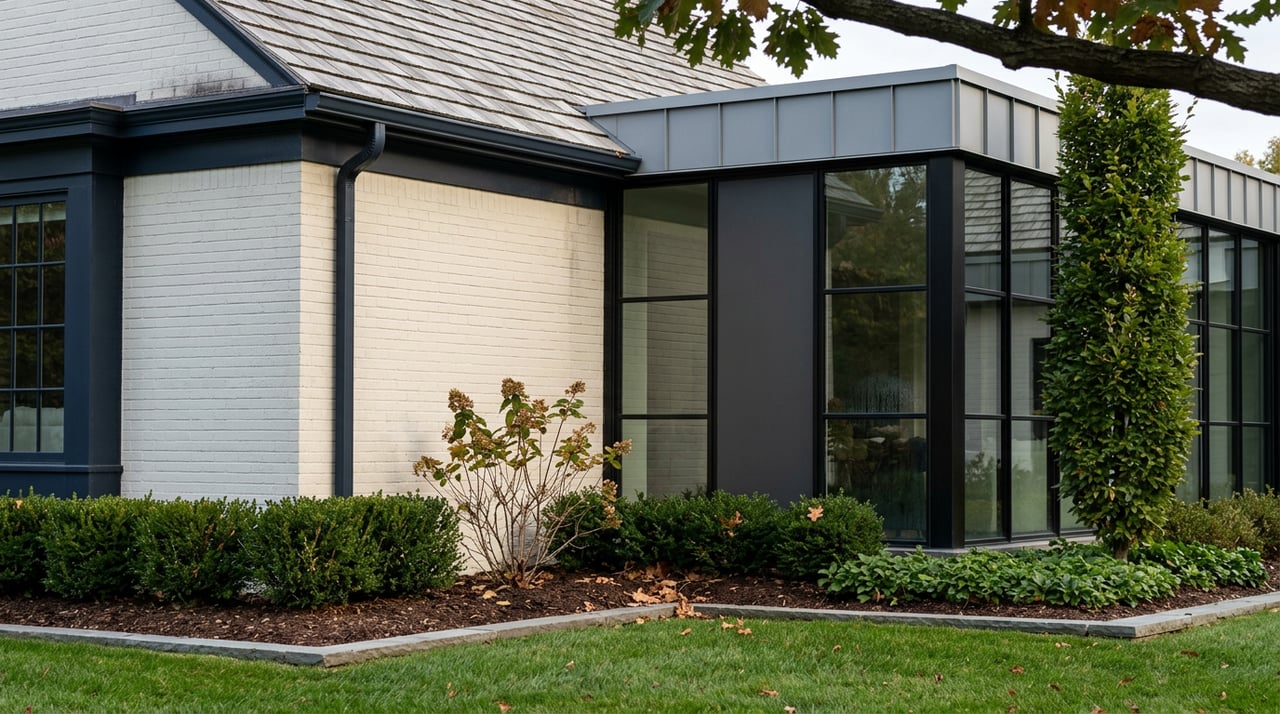
Postwar ranches favor single-story living, horizontal lines, and large picture windows with attached garages. Midcentury and later contemporary homes vary widely, but often include floor-to-ceiling glass and strong site integration. In recent years, you will also see high-end contemporary estates on large parcels.
Local materials and construction details
Weston’s traditional palette leans toward wood clapboard and cedar shingles that age to a soft gray. Fieldstone and granite are common for foundations and site walls. Many roofs feature steep gables, gambrels, or hips with prominent chimneys and dormers.
Inside older homes, look for original millwork, wide-board floors, plaster walls, built-ins, and multiple fireplaces. With that charm come practical considerations. Older properties may still have knob-and-tube wiring, original oil-fired boilers, limited insulation, and lead paint risk. These points should guide your inspection plan and budget.
Buyer checklist for historic and estate homes
If you are evaluating a period home in Weston, focus on clarity and due diligence:
- Confirm the era and significance. Review the assessor’s field card and check public historic inventories, including MACRIS, along with Weston Historical Commission resources.
- Prioritize key inspections. Ask for thorough reviews of the foundation, chimney, roof, electrical system, HVAC, and insulation. Pay attention to moisture in basements and attics and test for lead paint in older finishes.
- Balance character and performance. Original windows and millwork add value, but you may trade off some energy efficiency. Factor in costs for storm windows, insulation, or mechanical upgrades.
- Understand the site. Lot size, tree cover, and proximity to conservation land or wetlands may shape how you expand or add on in the future.
Seller playbook to showcase character
When listing a historic or estate-era home, documentation and presentation matter:
- Assemble records. Gather historic photos, any original plans, renovation permits, system upgrades, and any MACRIS or National Register documentation.
- Lead with features buyers love. Highlight intact fireplaces, staircases, moldings, built-ins, and stone walls or specimen trees. Note tasteful modernizations that respect original character.
- Address obvious issues. If the electrical system is dated or the roof needs attention, get evaluations and consider repairs before listing. If your property is within a designated district, consult the town before promising changes.
Renovation strategies that respect history
Sensitive updates can keep the soul of a house while improving comfort and efficiency:
- Preserve character-defining elements. Keep door surrounds, staircases, mantels, and original floors when possible.
- Make smart window decisions. Repair and weatherstrip original sash and add storms or, if replacement is necessary, choose units that match historic profiles and proportions.
- Start with high-impact energy upgrades. Insulate attics and crawlspaces first. Consider high-efficiency boilers or heat pumps that integrate with the home’s design.
- Site additions with care. Place additions at the rear or side to protect the principal façade. Align rooflines and materials with the original massing for a cohesive look.
Permits, preservation, and what to verify
Rules vary by property, so confirm early. Being listed on the National Register does not by itself prevent changes, but local historic districts and bylaws can require review for exterior alterations or demolition. The Weston Historical Commission and town building and conservation departments can advise on status, setbacks, and any wetlands-related approvals.
If you are planning restoration work on a registered historic property, some projects may qualify for tax incentives, technical assistance, or grants through state or preservation programs. Always verify eligibility and consult a tax professional for guidance.
How architecture shapes value in Weston
Style, condition, and setting work together. Estate-era Shingle Style and Tudor Revival homes can command premiums when original features are intact and systems are updated. Early Colonials and Federals with authentic details attract buyers who value craftsmanship and location near older village roads. Midcentury and contemporary homes can perform well when they offer strong indoor-outdoor flow, natural light, and thoughtful updates.
For any property, buyers respond to clarity. Clear documentation, credible inspections, and a plan for upgrades turn complex character into confidence. That is where an experienced, construction-informed advisor adds real value.
Ready to match your taste to the right era, or to position your home’s architecture for maximum impact? Schedule a private consult with Jennifer Fish to get a renovation-aware valuation and a tailored marketing plan.
FAQs
What architectural styles are most common in Weston, MA?
- You will most often see Colonial and Colonial Revival, Shingle Style from the estate era, Tudor Revival, and a mix of early village-period homes, with postwar ranches and select midcentury or contemporary designs in later subdivisions.
How can I confirm a Weston home’s age and significance?
- Review the assessor’s field card, search state historic inventory records such as MACRIS, and consult the Weston Historical Commission or local historical society archives for photographs and surveys.
What inspections should I prioritize for older Weston houses?
- Focus on the foundation and drainage, roof and chimneys, electrical wiring, HVAC and boilers, insulation and air sealing, and potential lead paint or asbestos, plus moisture checks in basements and attics.
Are there restrictions on renovating historic houses in Weston, MA?
- Requirements depend on whether the home lies in a local historic district or is subject to a preservation bylaw; confirm status with the Weston Historical Commission and the town building and conservation departments before planning work.
Do historic Weston homes qualify for any financial incentives?
- Some restoration projects on qualifying properties may be eligible for state or federal rehabilitation tax incentives or grants; verify program details and consult a tax professional.
Which styles in Weston are easiest to expand or update?
- Colonial Revival and ranch homes often accommodate rear or side additions more readily, but success depends on lot constraints, conservation considerations, and careful alignment of materials and rooflines with the original house.