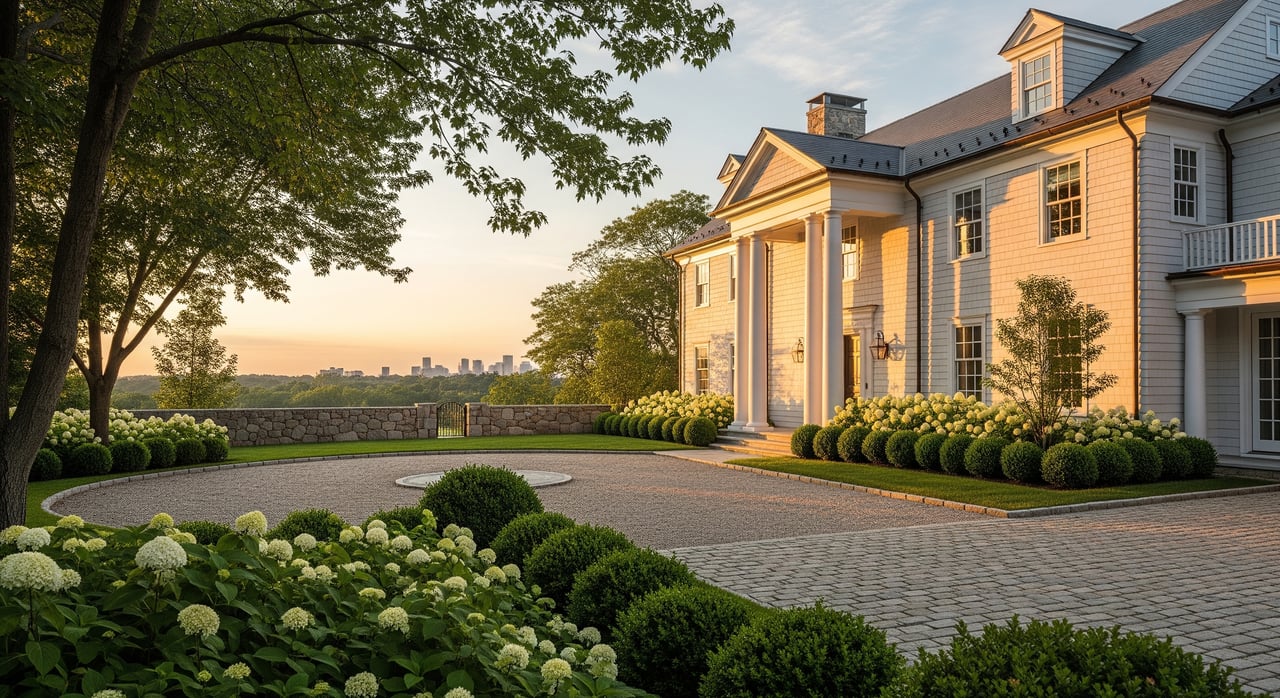
Thinking about a Boston-area suburb where daily life feels polished yet relaxed? If you value tree-lined streets, village centers with coffee and boutiques, and a straightforward commute, Wellesley may be a great fit. You want a clear picture of what living here actually looks like, from housing styles and schools to transit and parks. This guide walks you through the essentials so you can decide with confidence. Let’s dive in.
Where Wellesley fits
Wellesley sits on Boston’s western edge in Norfolk County, commonly grouped with MetroWest. You’re roughly 10–16 miles from downtown Boston depending on your route. Nearby communities include Newton, Needham, Weston, and Natick.
The town feels established and residential, with mature trees, well-kept streets, and a strong civic identity. Wellesley College adds a collegiate influence, bringing cultural programming and green campus spaces that residents enjoy.
Village centers and daily life
Wellesley’s lifestyle revolves around its village centers. Each area offers a distinct rhythm while staying connected by sidewalks, local roads, and Route 9.
Wellesley Square
This is the historic heart, with boutiques, cafes, restaurants, banks, and civic spots like the library. It’s walkable and lively during the day, with easy errands and meetups.
Wellesley Hills
Centrally located, Wellesley Hills blends neighborhood streets with a commercial strip and services. It’s a convenient hub that gives you quick access to daily needs.
Wellesley Farms
Quieter and more residential, Wellesley Farms has a classic railroad-village feel. The commuter rail stop anchors the area, and homes sit on leafy streets near local trails.
Linden Square and Route 9
For larger retail and grocery runs, you’ll head toward Linden Square and the Route 9 corridor. This is the town’s commercial spine, connecting you to big-box options in Wellesley and neighboring towns.
Recreation and green spaces
You’ll find ample outdoor choices across parks, conservation land, and ponds. Families and runners alike use local trails and playing fields for everyday recreation. Highlights include:
- Morses Pond for warm-weather relaxation and nature access.
- Elm Bank Reservation for gardens and event grounds.
- Wellesley College’s campus for walks, public lectures, and performances when open to the community.
The outdoor lifestyle here is easy: morning jogs on quiet streets, weekend playground visits, and quick drives to regional natural areas.
Housing and architecture
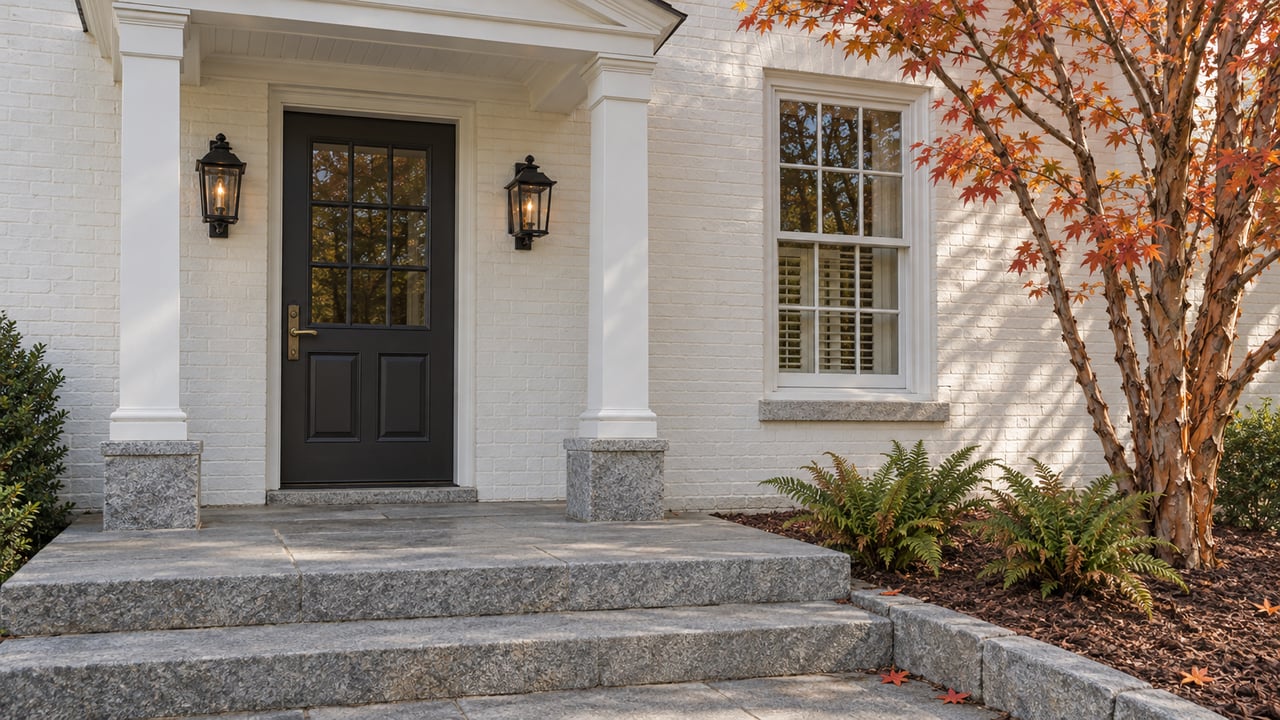
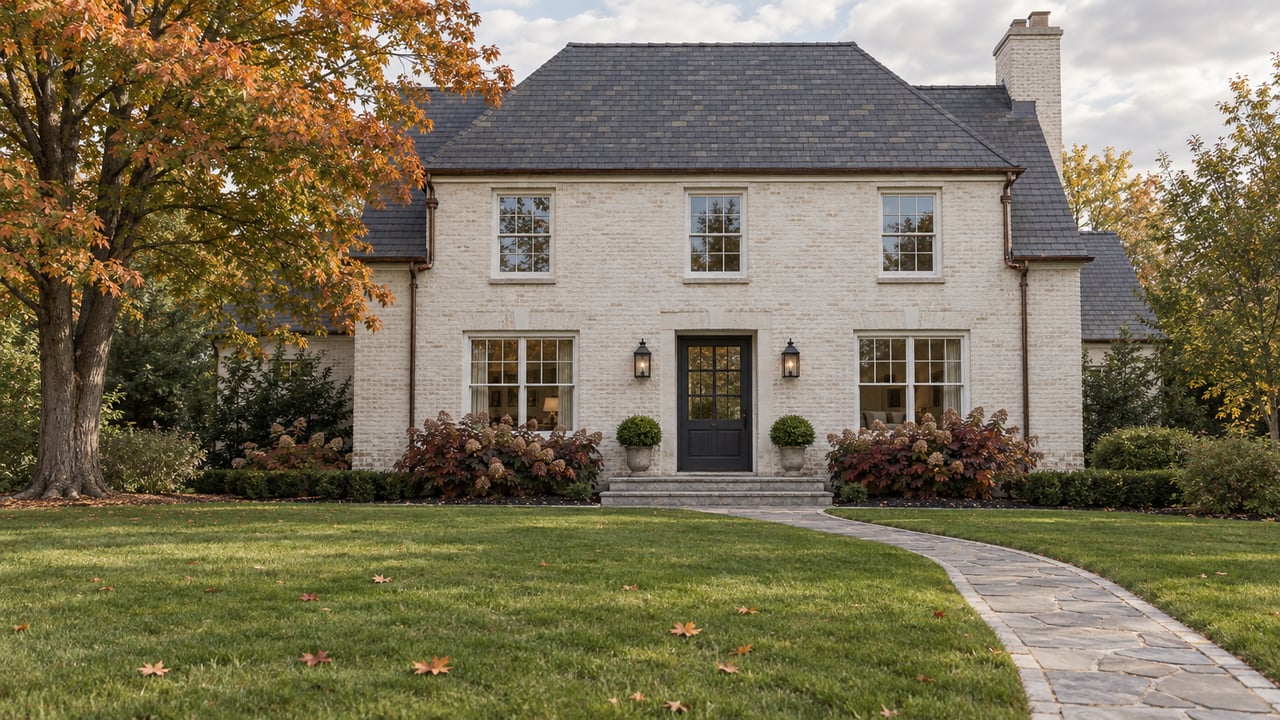
Wellesley is known for predominantly single-family homes on moderate to large lots. You’ll see an architectural mix that includes Colonial, Tudor, Victorian, early-to-mid 20th century houses, and newer custom builds. Near village centers and along transit corridors, you’ll find some condominiums and smaller multi-family options.
If you’re considering updates, zoning generally preserves low-density residential character. Setbacks, height, and lot coverage rules guide additions and new construction, and some areas may involve historic or conservation considerations. Basements and attics are common, and typical retrofit needs can include HVAC upgrades, insulation improvements, and window replacements.
Property taxes are a meaningful ownership cost. It’s smart to review current rates, average assessments, and utility details through town departments.
Commute and getting around
Wellesley offers multiple ways to reach Boston and regional employment centers.
Commuter rail
The MBTA Framingham/Worcester Line serves Wellesley with three stations: Wellesley Square, Wellesley Hills, and Wellesley Farms. Trains connect to South Station, with trips that commonly range around 25–40 minutes depending on the train. Parking near stations is available through town or MBTA lots, though rules and availability can vary.
Driving
Route 9 runs through town and links you to I-95/Route 128 and the Mass Pike. Driving to Boston can range roughly 30–60 minutes or more depending on traffic and time of day. Expect typical peak congestion on major corridors.
Walking and biking
Village centers are walkable, and many neighborhoods are pedestrian-friendly. Local trails and sidewalks make short trips pleasant. Bike infrastructure exists on local roads, but along major routes it can be limited.
Schools and learning
Wellesley Public Schools are widely regarded for strong performance indicators and community support. Families often review district information to understand programs, school profiles, and neighborhood assignments. In the private and higher-education sphere, Wellesley College is a major cultural anchor, bringing lectures, exhibits, and performances that enrich town life.
Everyday services and healthcare
You’ll find primary care and specialists in town and nearby communities. Newton-Wellesley Hospital in neighboring Newton is a key regional resource, and Boston’s major hospitals are accessible when you need specialized care. Around the village centers and Route 9, you’ll have access to professional services, libraries, and seasonal farmers’ markets or pop-up events that reinforce a small-town feel.
Municipal services such as trash and recycling, water, sewer, and permitting are managed by town departments. Snow removal and seasonal programs support daily life and commuting.
Lifestyle trade-offs to weigh
Every suburb has trade-offs. In Wellesley, consider:
- Proximity to Boston vs. the calmer suburban setting.
- Housing costs vs. lot sizes, privacy, and amenities.
- Walkable village centers vs. reliance on a car for larger errands.
- Renovation potential vs. zoning guidelines and review processes.
- Cultural access via Wellesley College vs. limited late-night city energy.
Who Wellesley fits
Wellesley can be a strong match if you value:
- A residential town with defined village centers.
- Convenient commuter rail options and arterial access.
- A robust parks-and-trails network and pond access.
- A wide range of single-family home styles and quality construction.
- Civic and cultural programming through libraries and college events.
How we help you decide
Choosing Wellesley is more than picking a zip code. It’s matching your daily routine, renovation goals, and commute pattern with the right home and neighborhood. With a construction-informed approach and premium marketing reach, we guide you on valuation, realistic upgrade budgets, and long-term potential so you can move forward with clarity.
If you want a tailored plan for your next move, connect with Jennifer Fish for boutique, one-to-one guidance.
FAQs
What is the commute to Boston like from Wellesley?
- You can take the MBTA Framingham/Worcester Line from three local stations or drive via Route 9 to I-95/128 and the Mass Pike; timing varies by route, train, and time of day.
Are Wellesley’s village centers walkable for daily errands?
- Yes, Wellesley Square, Wellesley Hills, and Wellesley Farms are walkable for coffee, dining, and services, with larger retail along the Route 9 corridor.
What types of homes are common in Wellesley?
- Predominantly single-family homes on moderate-to-large lots, with Colonial, Tudor, Victorian, and newer custom builds, plus some condos near transit and village areas.
Can I renovate or add onto a Wellesley home easily?
- Many projects are feasible, but zoning sets rules on setbacks, height, and lot coverage, and historic or conservation considerations may apply in some areas.
How are public schools in Wellesley described?
- The district is well-regarded, with strong performance indicators and community support; families often review official school profiles and programs when planning a move.
What outdoor and cultural options are nearby?
- Residents enjoy Morses Pond, Elm Bank Reservation, local trails and fields, and public lectures or performances connected to Wellesley College when open to the community.