If you plan to sell a luxury home in Wellesley next year, waiting until a few weeks before listing can cost you time, leverage, and peace of mind. In a market where median single-family sale prices have topped $2.1 million and buyers can be less willing to overlook condition issues, thoughtful preparation matters. The good news is that with the right runway, you can make smart decisions, avoid rushed updates, and bring your home to market with confidence. Let’s dive in.
Start Earlier Than You Think
In Wellesley, the numbers support a deliberate approach. The town’s draft Strategic Housing Plan reports a 2024 median single-family sale price of $2,103,500, which underscores just how meaningful each pricing and preparation decision can be. This is not a market where small details feel small.
Current market activity also suggests that sellers should prepare carefully, not casually. Realtor.com’s April 2026 snapshot for Wellesley shows a median listing price of $2,247,500, 72 homes for sale, a 19-day median on market, and a 99% sale-to-list ratio. That points to solid demand, but not an automatic sale at any condition level.
Timing research is not perfectly aligned, but it offers a useful planning window. Realtor.com identifies mid-April as the best national week to sell in 2026, while Zillow’s Boston metro analysis points to the second half of May. For a Wellesley seller aiming to capture late-spring attention, the practical move is to begin serious planning in winter or very early spring.
Why Wellesley Sellers Need a Long Runway
Wellesley has seen a strong pattern of teardown and rebuild activity rather than simple housing growth. The town notes that more than 1,200 single-family homes were built from 2003 to 2025 while the overall stock increased by only 95 homes. That context matters because many buyers in this market are comparing your property not only to resale homes, but also to newer or heavily renovated inventory.
That does not mean you need to fully renovate before selling. It does mean that visible maintenance issues, dated presentation, or incomplete paperwork can stand out more in a high-value market. When buyers are making decisions at this price point, they tend to look closely.
A longer timeline gives you options. You can inspect first, budget realistically, choose which projects are worth doing, and reserve the final months for presentation instead of construction chaos.
Use a 12-Month Seller Timeline
12 to 18 Months Before Listing
This is your diagnostic phase. Seller guidance cited in the research recommends getting a pre-sale home inspection, organizing early, gathering estimates for major replacements, and locating warranties and manuals.
At this stage, your goal is not to make every possible improvement. Your goal is to understand the home clearly while you still have time to act. If the inspection reveals roofing concerns, deferred maintenance, aging systems, or moisture-related issues, you can decide whether to repair, replace, or price with those facts in mind.
This early review is especially helpful for luxury homeowners who have completed prior renovations or custom work. Keeping documentation organized now can make later buyer questions easier to answer and help support the home’s value story.
What to do in this phase
- Schedule a pre-sale home inspection
- Create a list of visible and hidden maintenance items
- Gather contractor estimates for larger repairs
- Locate warranties, appliance manuals, and service records
- Organize records for past renovations and permitted work
9 to 12 Months Before Listing
This is the right time for permit-heavy work. Wellesley states that most construction projects require a building permit, and new-construction reviews generally take 10 to 14 days. The town also notes that engineering permits may be needed for driveway, sidewalk, drainage, utility, and trenching work.
If your project touches the public way, timing matters even more. Wellesley issues public-way excavation permits only from April through November. That means exterior improvements or site-related work should be planned well ahead of your listing season.
For luxury sellers, this phase is where strategic thinking pays off. Rather than rushing into a full remodel, focus on projects that improve condition, curb appeal, and buyer confidence without creating unnecessary delay.
Good candidates for early project planning
- Roof replacement or repair
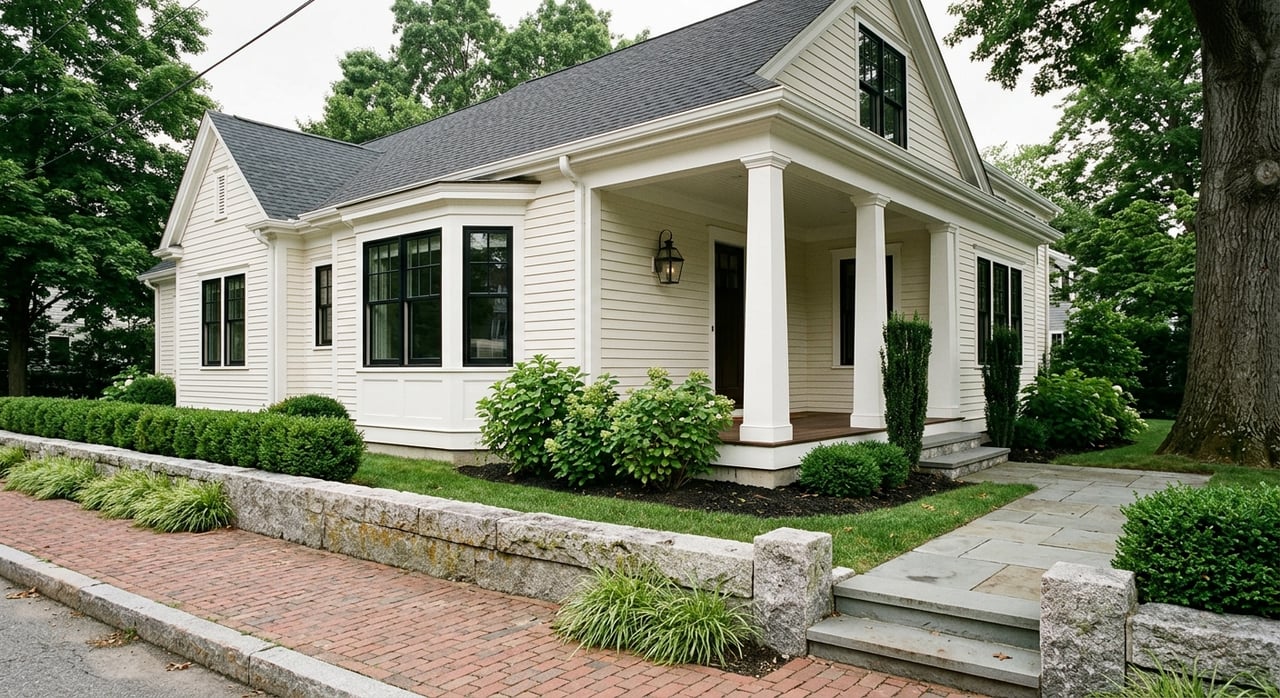
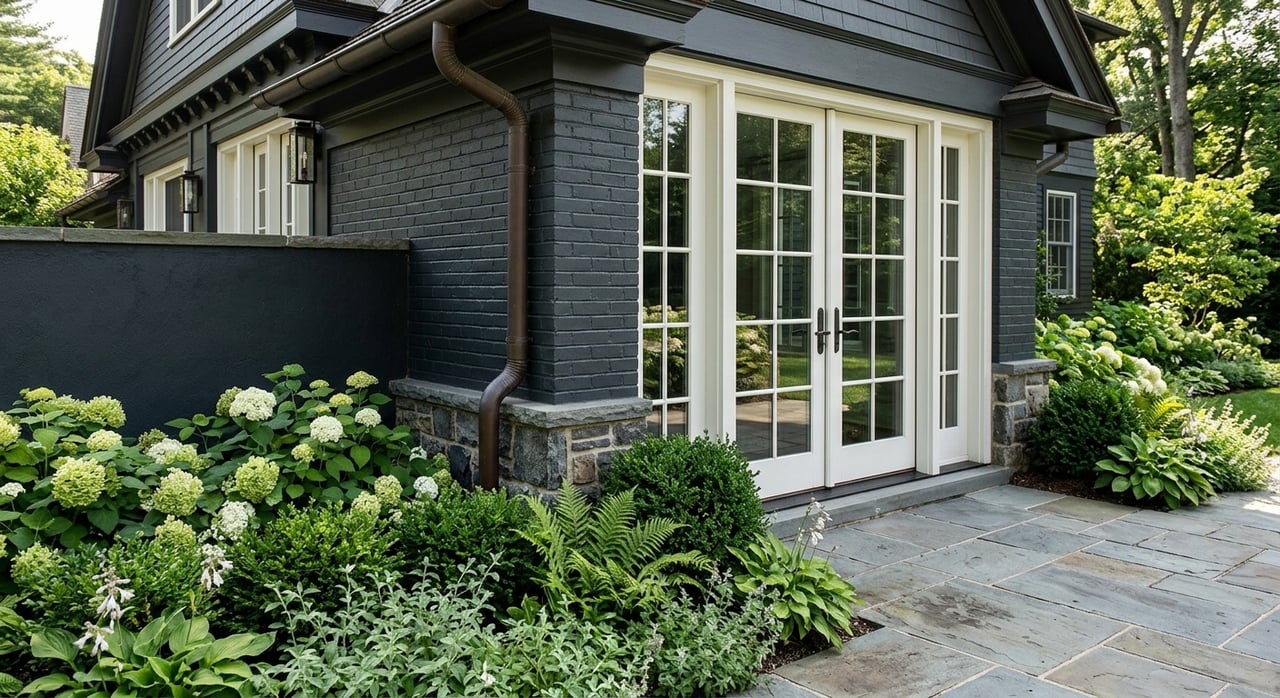
- Exterior paint or entry improvements
- Driveway or drainage work
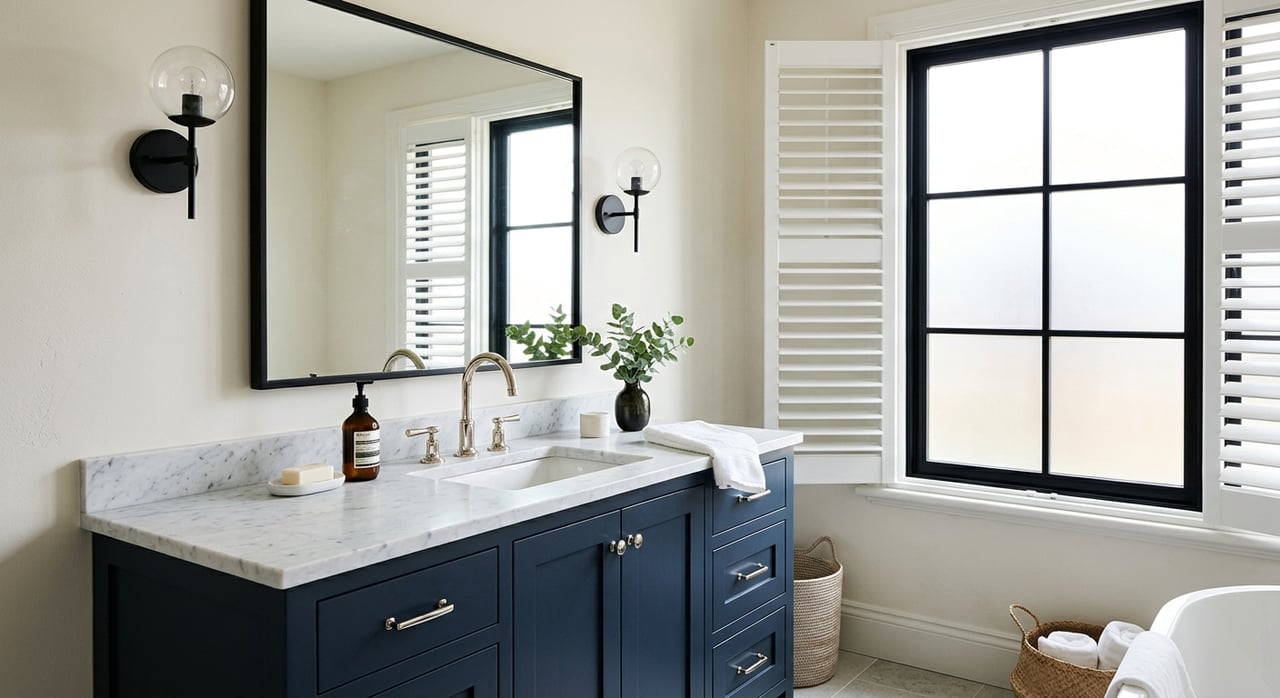
- Significant bathroom or kitchen updates
- Structural or site-related work requiring town review
3 to 6 Months Before Listing
Now the focus shifts from construction to presentation. Seller guidance in the research recommends decluttering, depersonalizing, deep cleaning, and staging during this window. This is when your home starts to transition from private residence to market-ready product.
In luxury homes, scale can make this stage more involved than owners expect. Large rooms, built-ins, home offices, mudrooms, and lower levels all need to feel purposeful and easy to read. Buyers should be able to understand how the home lives without distraction.
Staging data supports this effort. In NAR’s 2025 staging report, 29% of agents said staging increased dollar value by 1% to 10%, 49% said it reduced time on market, and 83% of buyers’ agents said it made it easier for buyers to picture the home as their future residence.
Rooms worth prioritizing
- Living room
- Primary bedroom
- Dining room
- Kitchen
These are the rooms most often prioritized in staging data, and they often shape a buyer’s first impression of a luxury property.
30 to 90 Days Before Listing
This is your finish line phase. Deep cleaning becomes highly targeted, especially around windows, the entry, bathrooms, and walls. Cosmetic touch-ups, photography prep, and showing routines now take center stage.
Seller guidance in the research also emphasizes details that affect every showing. Keep counters clear, surfaces wiped down, odors neutral, lights on, pathways open, and window treatments open where appropriate. These are simple steps, but they can materially affect how spacious and polished your home feels.
By this point, the heavy decisions should already be behind you. The final month should be about refinement, not scrambling.
Choose Updates With Discipline
One of the biggest mistakes luxury sellers make is over-improving too late. Not every expensive renovation pays off, and not every dated feature needs to be replaced before listing. The smartest strategy is usually selective, not maximal.
According to NAR’s 2025 Remodeling Impact Report, the projects agents most often recommend before selling include painting the entire home, painting one room, and new roofing. The projects that have seen the strongest demand in the past two years include kitchen upgrades, new roofing, and bathroom renovations.
That same report also found strong estimated cost recovery for a new steel front door, closet renovation, and a new fiberglass front door. In other words, focused improvements to the entry, storage, and visible first-impression areas can have outsized impact.
Updates that often make sense
- Whole-home paint in neutral tones
- Front door replacement or refresh
- Closet improvements
- Roofing work if needed
- Select kitchen or bath updates where condition is clearly dated
Updates to approach carefully
- Highly personalized design changes
- Large-scope remodels without enough time to complete properly
- Projects that create permit or construction delays close to list date
The core principle is simple: make the home feel well-maintained, clean, bright, and easy to understand.
Budget for Carrying Costs
If you are preparing a Wellesley luxury home over several extra months, carrying costs deserve real attention. Wellesley’s FY2026 single-family median assessment is $1,751,000, the median tax bill is $17,808, and the tax rate is $10.17 per $1,000.
Those figures are useful when deciding whether to spread work over time or accelerate your timeline. A thoughtful prep period can improve the outcome, but it should still be budgeted with open eyes. Repairs, staging, storage, taxes, and timing all work together.
This is another reason to plan early. When you know your likely timeline, you can make renovation and listing decisions that reflect both market opportunity and ownership cost.
Keep Your Paperwork Organized
In Wellesley, recordkeeping matters. The Assessors Office notes that property characteristics are inspected regularly, primarily because of building permits, and that assessments are updated annually to reflect fair market value.
For sellers, that makes organized documentation more than a nice extra. Permit records, invoices, contractor closeout materials, and warranty information can all help support a smoother sale process. They also make it easier to answer questions about work quality, timing, and scope.
In higher-value transactions, buyers often want clarity on what was done, when it was done, and whether approvals were obtained. A well-documented property tends to feel more credible and better cared for.
Plan Early for Closing Costs
Luxury sellers in Massachusetts should also think ahead about closing logistics. The state imposes a deeds excise on real property transfers, and current Massachusetts guidance says that starting November 1, 2025, a withholding agent must file Form NRW for every Massachusetts real estate transaction with a gross sales price of $1,000,000 or more.
The state also notes that if the seller is a nonresident or a business without continuing Massachusetts presence, withholding may be required, and each seller must provide a Transferor’s Certification. On a high-value sale, these details are too important to leave until the last minute.
If you expect a move, a trust-related sale, or a nonresident tax question, it makes sense to coordinate early with your closing attorney or CPA. A smoother sale starts well before the closing table.
A Smart Wellesley Selling Strategy
For most Wellesley luxury homeowners, the best plan is a slow-burn preparation strategy. Diagnose early, complete permit-related work with enough runway, and use the final stretch for decluttering, staging, and polished marketing.
That approach fits the local market. In a town where values are high, buyer expectations are clear, and timing can influence momentum, preparation is part of pricing power.
If you are thinking about selling in the next year, the right first step is not rushing to list. It is building a plan that reflects your home, your timing, and the realities of the Wellesley market.
When you are ready for a tailored, construction-informed selling strategy, book an appointment with Jennifer Fish.
FAQs
When should you start preparing to sell a Wellesley luxury home?
- If you hope to list in late spring, it is smart to begin serious planning in winter or very early spring, and larger prep work may need to start 6 to 18 months ahead.
What home improvements matter most before selling a luxury home in Wellesley?
- Research supports focusing on condition and presentation, including paint, roofing if needed, select kitchen or bathroom updates, entry improvements, closet organization, and staging.
Do Wellesley home improvement projects require permits before a sale?
- Many do. Wellesley states that most construction projects require a building permit, and some exterior or site-related work may also require engineering permits.
How long do homes take to sell in Wellesley?
- Realtor.com’s April 2026 market snapshot reported a 19-day median on market in Wellesley, though timing can vary based on price, condition, and competition.
What taxes or filing issues should luxury home sellers in Massachusetts know about?
- Massachusetts imposes a deeds excise on transfers, and for transactions of $1,000,000 or more, Form NRW filing rules apply under current state guidance, so early coordination with your closing team is wise.