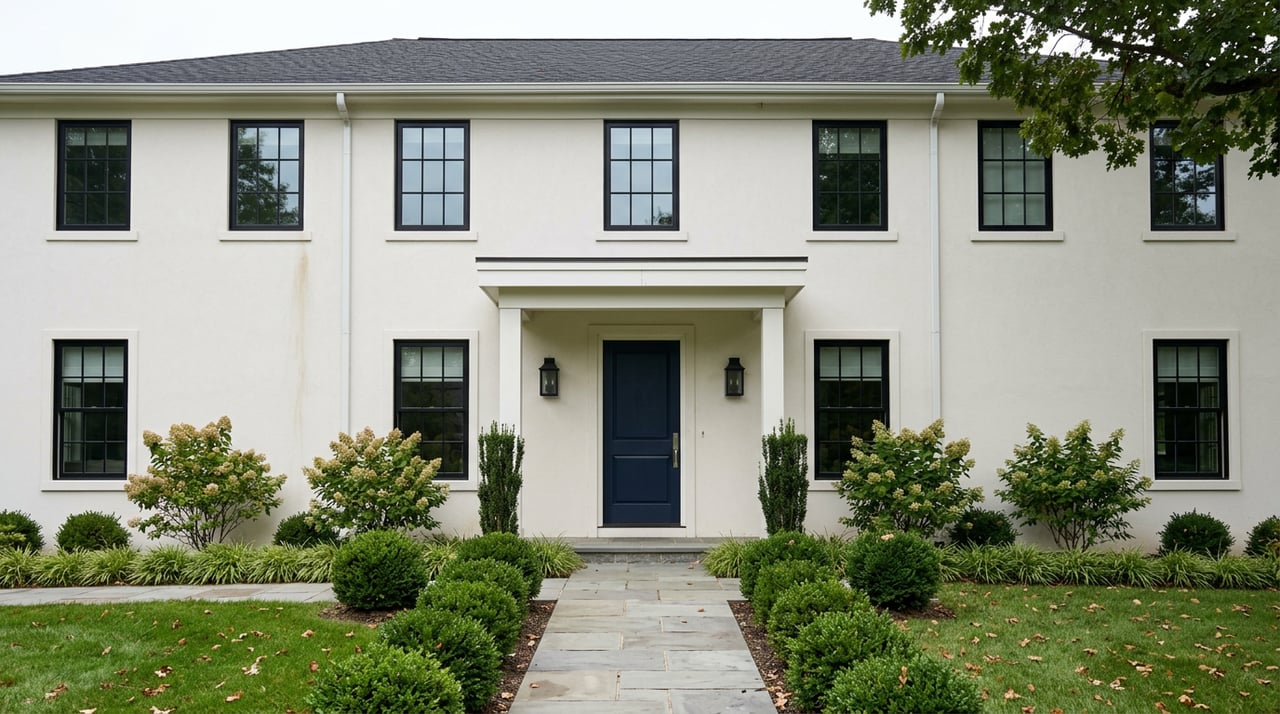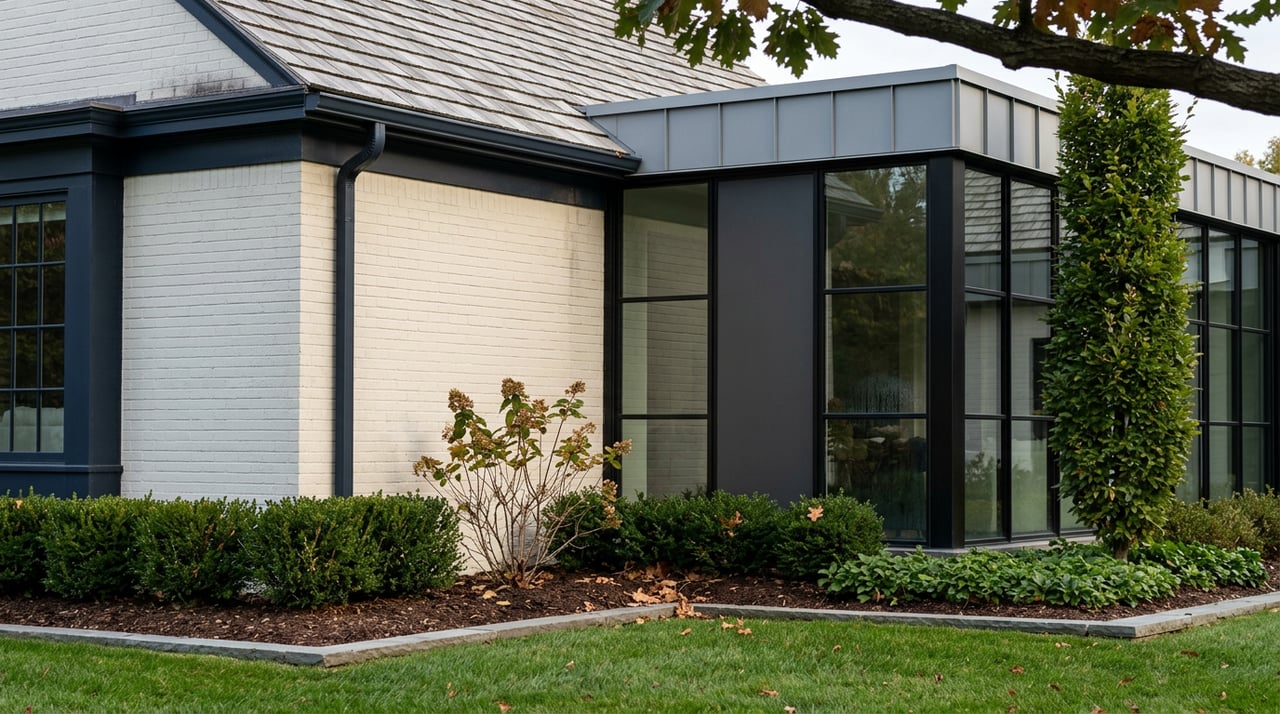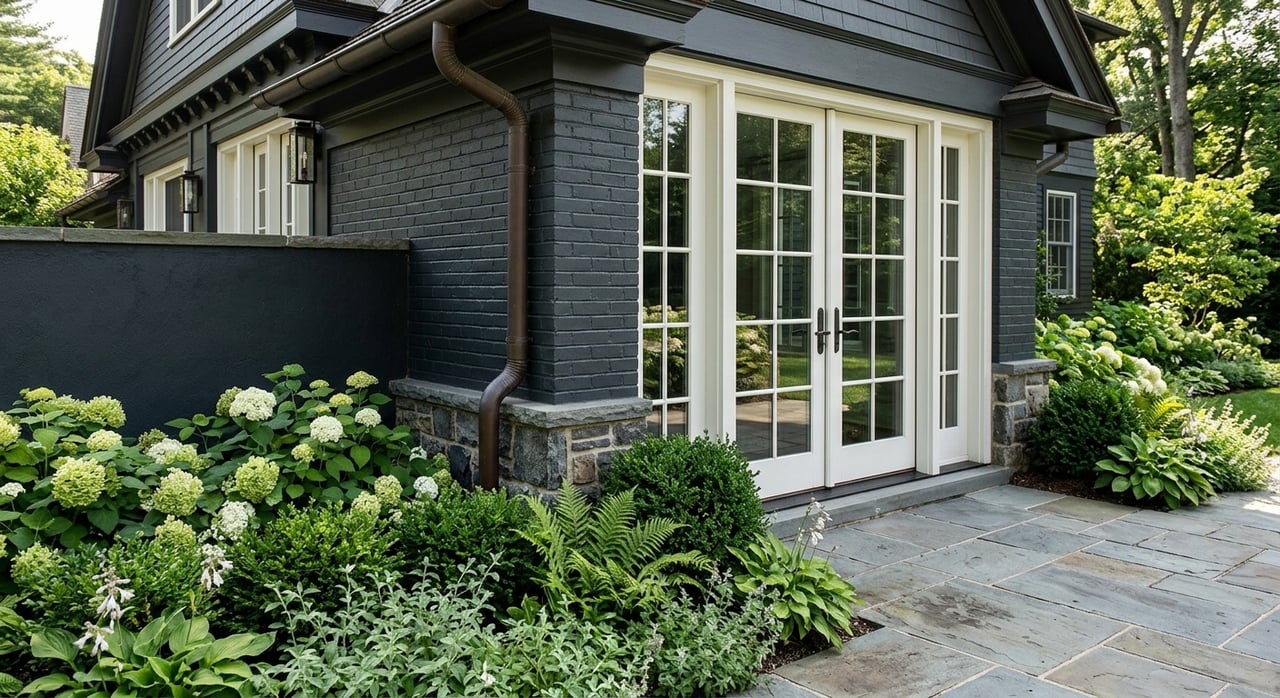
Buying a luxury home in Weston can feel straightforward until you look beneath the surface. A beautiful property may also come with zoning limits, septic requirements, conservation rules, or historic review that affect how you use the home after closing. If you want to protect both your lifestyle plans and your investment, careful due diligence matters from day one. Let’s dive in.
Why Weston due diligence is different
In Weston, luxury-home due diligence is often as much about the land as it is about the house. Many properties sit on large lots, and the town’s zoning, setback, conservation, and stormwater rules can shape what you can renovate, expand, or rebuild.
That matters if you are buying with plans for a pool, guest space, major addition, or a future reconfiguration. It also matters if you are buying an older estate, a home near wetlands, or a property in a historic area. In short, what you see at a showing is only part of the story.
Start with zoning and lot constraints
Most residential properties in Weston are in single-family zoning districts. The town’s A through D districts have different minimum lot areas, ranging from 60,000 square feet in District A to 20,000 square feet in District D, along with different setback requirements.
For a luxury buyer, this is important because lot size alone does not tell you what is buildable. A large but irregular lot, an older home, or a structure placed close to a property line may create nonconformities that affect future plans.
Review lot area and setbacks early
Weston’s zoning requirements set minimum lot areas and yard setbacks by district. Before you finalize an offer, confirm the property’s zoning district and the practical building envelope, not just the acreage listed in marketing materials.
If the house is older, ask whether any part of the structure relies on legal nonconforming status or grandfathered conditions. That issue can become especially important if you plan to renovate, expand, or rebuild.
Understand site plan review triggers
Some larger homes in Weston may require Planning Board site plan approval. For homes permitted after October 1998, review may be triggered if the residential gross floor area exceeds 3,500 square feet and 10% of the lot area, or 6,000 square feet regardless of lot size.
Scenic Road properties and certain major reconstructions or additions can also require review. If you are buying a home with expansion plans, it is smart to understand whether your intended project could lead to another layer of approvals.
Conservation and overlay districts can change your plans
Weston has overlay districts that can affect how a property is developed or improved. These include Wetland Floodplain and Aquifer Protection areas, both of which can bring added permitting requirements.
A home can be stunning, private, and beautifully sited, yet still fall within a sensitive area that limits construction options. That is why map review should happen early, before you lock in pricing assumptions based on future improvements.
Wetlands and flood-related review
Weston’s Conservation Commission has strict policies. Work within the 100-year flood zone, within 100 feet of wetlands, ponds, or seasonal streams, or within 200 feet of perennial streams can require an application.
The town also has a 25-foot No-Disturb Zone near resource areas. Just as important, Weston notes that not all wetlands appear on MapsOnline, so a basic online map check may not be enough for a property near water, low land, or wooded edges.
For riverfront, wetland-edge, or low-lying properties, compare local maps with official FEMA flood data early in the process. This can help you understand both permitting risk and future ownership costs.
Aquifer Protection rules
If a property is in the Aquifer Protection overlay district, some activities may require special permits. The town notes this can include excavation within 6 feet of the water table, certain sewage treatment facilities, buried fuel or chemical storage, and impervious coverage above 15% of the lot.
For luxury buyers, this can affect plans for garages, expanded driveways, accessory structures, and site work. It is a technical issue, but one that can directly shape design choices and budgets.
Septic is a major Weston checkpoint
One of the most important Weston-specific facts is simple: every property is served by a private septic system. That makes septic due diligence essential, especially at the luxury level where home size, guest use, additions, and landscape plans can all affect system demands.
Weston’s Building Department also notes that Board of Health permits are handled separately for demolition, new construction, renovations, additions, septic systems, pools, dumpsters, and portable toilets. In other words, septic review should not be treated as a side item.
Know the Title 5 timeline
Massachusetts generally requires Title 5 septic inspections for property transfers involving septic systems. MassDEP states that the inspection report must be submitted within 30 days, and sale-related inspections are usually valid for 2 years, or 3 years if the system was pumped annually and records are available.
That validity period can be helpful, but do not stop there. You should also review the age of the system, pump records, reserve area, and whether your future plans could require a redesign or relocation.
Cambridge Water Supply Zone matters
Title 5 requirements are stricter in the Cambridge Water Supply Zone, which covers more than half of Weston. If the property falls within that area, the septic analysis may be more nuanced than buyers expect.
For homes with proposed additions, pool plans, or major landscape changes, this is worth understanding before you commit. It can affect what is feasible and how long approvals may take.
Water supply and utility checks still matter
Many Weston homes are served by the town water system, which is supplied by the MWRA. The town says lead can enter through a lead service line or household plumbing, and it maintains a water service line inventory and lead information for review.
If the property uses town water, review available water information as part of diligence. If the property uses a private well instead, Weston’s Board of Health regulates wells and provides a private well application process.
Electric service is also worth confirming. Weston’s Power Choice program does not change the electric utility, which remains Eversource, so buyers should verify utility account details and any backup-power equipment before closing.
Historic review can affect older estates
Weston has many architecturally significant older homes, and that character is part of the town’s appeal. It also means some pre-1945 properties may be subject to Historical Commission review for exterior remodeling or demolition.
If a home is listed on Weston’s historic inventory or map of historic areas, exterior changes may require review. The town’s demolition-delay bylaw can also delay a demolition permit, which is especially important if you are buying for a major repositioning project.
For buyers drawn to legacy properties, historic review is not necessarily a deal breaker. It simply needs to be part of the decision-making process from the start.
Permit history tells you a lot
A luxury property may have gone through years of additions, grading, pool work, septic updates, or exterior changes. Reviewing permit history can reveal whether prior work was approved and whether any future project may run into issues tied to zoning, wetlands, or board oversight.
In Weston, this is especially important for work near buffer zones, scenic roads, overlay districts, or historic areas. Permit history can also help you understand how the property evolved over time.
Because Weston says assessor property record cards are not available online, buyers should expect a more hands-on diligence process. This is one reason local guidance and early document gathering matter.
Massachusetts contract milestones to keep in mind
Massachusetts has a few transaction features that buyers should understand clearly. First, sellers generally must provide a mandatory home-inspection disclosure before or at the first purchase contract in most residential sales, and they generally may not condition acceptance on the buyer waiving the inspection right.
You may choose a licensed home inspector and should have a reasonable period after contract execution to review the results if you inspect. In a competitive luxury market, that framework is important because it shapes how you balance speed with protection.
Accepted offer and P&S are both significant
In Massachusetts, an accepted offer is legally binding. The purchase and sale agreement is also a separate legally binding contract that is prepared and agreed to by the parties’ attorneys.
That means you should treat the offer stage seriously, not as a casual placeholder. Mass.gov advises buyers to consult an attorney throughout the process, which is especially wise for high-value homes with title, land-use, and improvement considerations.
Title review deserves extra attention
Title review is a core part of luxury-home diligence. Massachusetts guidance notes that title insurance protects against certain title defects, and purchase and sale materials commonly address deed type, easements, restrictions, survey references, taxes, and the closing date.
In Weston, where lot configuration, access, and conservation areas can all matter, title and survey review often work together. This is especially true for larger parcels, irregular boundaries, or properties near scenic roads and protected areas.
A practical due diligence checklist
If you are seriously considering a luxury home in Weston, focus on these items early:
- Confirm the zoning district, lot area, setback envelope, and any legal nonconformity.
- Review whether site plan approval may apply to the existing home or your future plans.
- Check for Wetland Floodplain or Aquifer Protection overlay issues.
- Compare local mapping with FEMA flood information for low-lying or water-adjacent sites.
- Review septic age, Title 5 status, pump records, reserve area, and Cambridge Water Supply Zone implications.
- Pull permit history for additions, pools, grading, septic work, and exterior changes.
- Verify whether a pre-1945 home is subject to historic review or demolition-delay rules.
- Review available water-service information, including any lead-related records if on town water.
- Confirm utility details, including electric service and any generator or backup-power systems.
- Order a survey or boundary review when the lot is large, irregular, or near conservation, scenic road, or historic boundaries.
Why this matters in the luxury market
At the luxury level, buyers often think beyond the current layout. You may be planning a significant renovation, a long-term hold, a design-forward addition, or a future resale strategy tied to architectural improvements.
In Weston, those plans should be tested against the property’s legal and physical realities before you move forward. The goal is not to complicate your purchase. The goal is to make sure the home supports your vision, your timeline, and your investment.
A well-run diligence process gives you clarity. It helps you buy with confidence, negotiate more effectively, and avoid surprises after closing.
If you are considering a luxury home in Weston, a construction-informed, highly local review can make all the difference. To talk through a property, renovation questions, or your buying strategy, book an appointment with Jennifer Fish.
FAQs
What due diligence is most important for a luxury home in Weston?
- The most important checks usually include zoning, setbacks, wetlands or flood-zone issues, septic condition, permit history, title review, and any historic-review concerns tied to the property.
Do all Weston homes use septic systems?
- Yes. Weston’s Building Department states that every property in town is served by a private septic system, which makes Title 5 and Board of Health review especially important.
Can wetlands affect renovation plans for a Weston property?
- Yes. Work within the 100-year flood zone, within 100 feet of wetlands, ponds, or seasonal streams, or within 200 feet of perennial streams can require Conservation Commission review, and Weston also has a 25-foot No-Disturb Zone.
Are older luxury homes in Weston subject to historic review?
- Some are. Pre-1945 homes listed on Weston’s historic inventory or map of historic areas may be subject to Historical Commission review for exterior remodeling or demolition.
When should a buyer review zoning for a Weston luxury home?
- You should review zoning and lot constraints before or during the offer stage, especially if you are considering additions, demolition, reconfiguration, or any major site improvements.
Is an accepted offer binding in Massachusetts?
- Yes. Massachusetts states that an accepted offer is legally binding, and the later purchase and sale agreement is a separate legally binding contract negotiated by the parties’ attorneys.