If you are shopping or selling at the top of the Wellesley market, architecture is not just a style preference. It shapes first impressions, renovation options, and even how a property fits into local review processes. In a town where older homes, preservation concerns, and rebuild activity all intersect, understanding the language of design can help you make smarter decisions. Let’s dive in.
Why architecture matters in Wellesley
Wellesley has long been defined by its residential character. The town developed as a carefully planned railroad suburb and became one of Boston’s leading suburbs by the 1920s, which helps explain why architectural identity still carries so much weight today.
That identity shows up clearly in the housing stock. Wellesley has about 9,134 housing units, and the overwhelming majority are detached single-family homes. The town also reports that 94% of homeowners live in detached single-family dwellings, which reinforces why exterior style, scale, and curb appeal matter so much in this market.
Many of Wellesley’s homes were built before 1940, while about 11% of units were built since 2000. Most of those newer homes replaced older houses rather than adding new supply. Since 2009, the Building Department has issued 575 residential demolition permits, so teardown and rebuild activity is a real part of the luxury market here.
For buyers and sellers alike, that means style affects more than appearance. It can influence valuation, buyer interest, renovation strategy, and whether a property may face local preservation or design review.
Colonial Revival in Wellesley
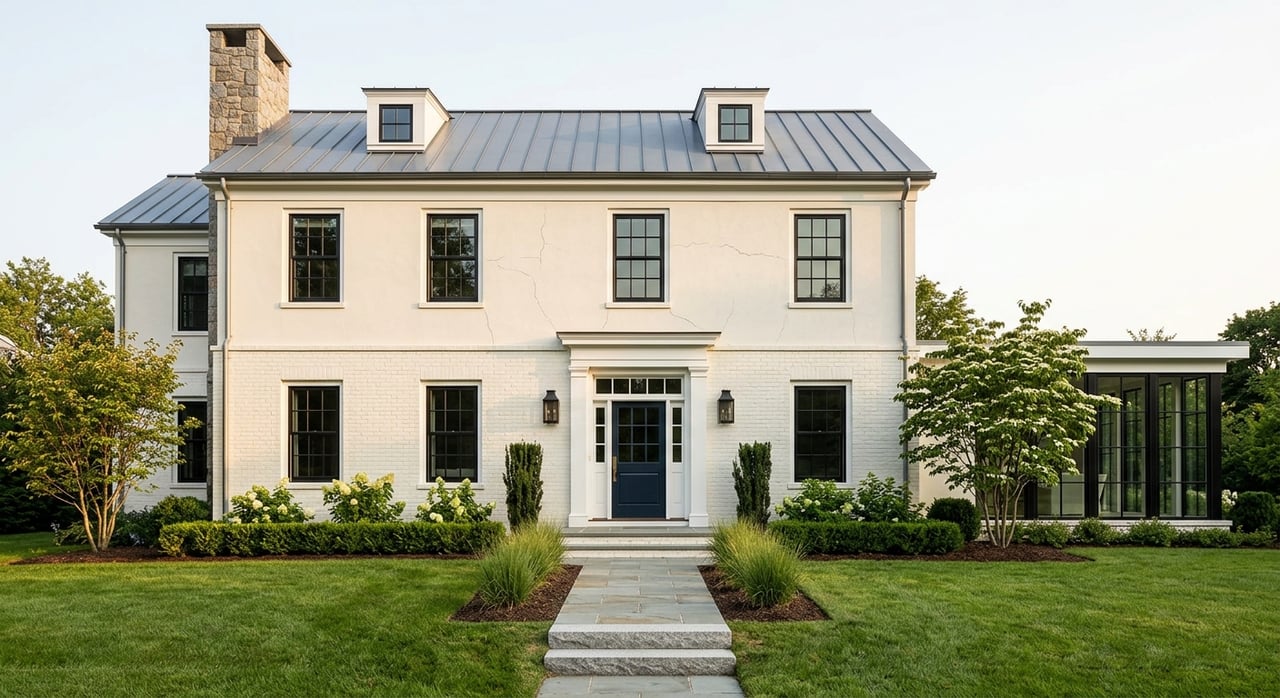
In Wellesley, when you hear the word “Colonial,” it often refers to Colonial Revival rather than a true colonial-era house. That distinction matters because Colonial Revival was designed to echo earlier American forms without copying them exactly.
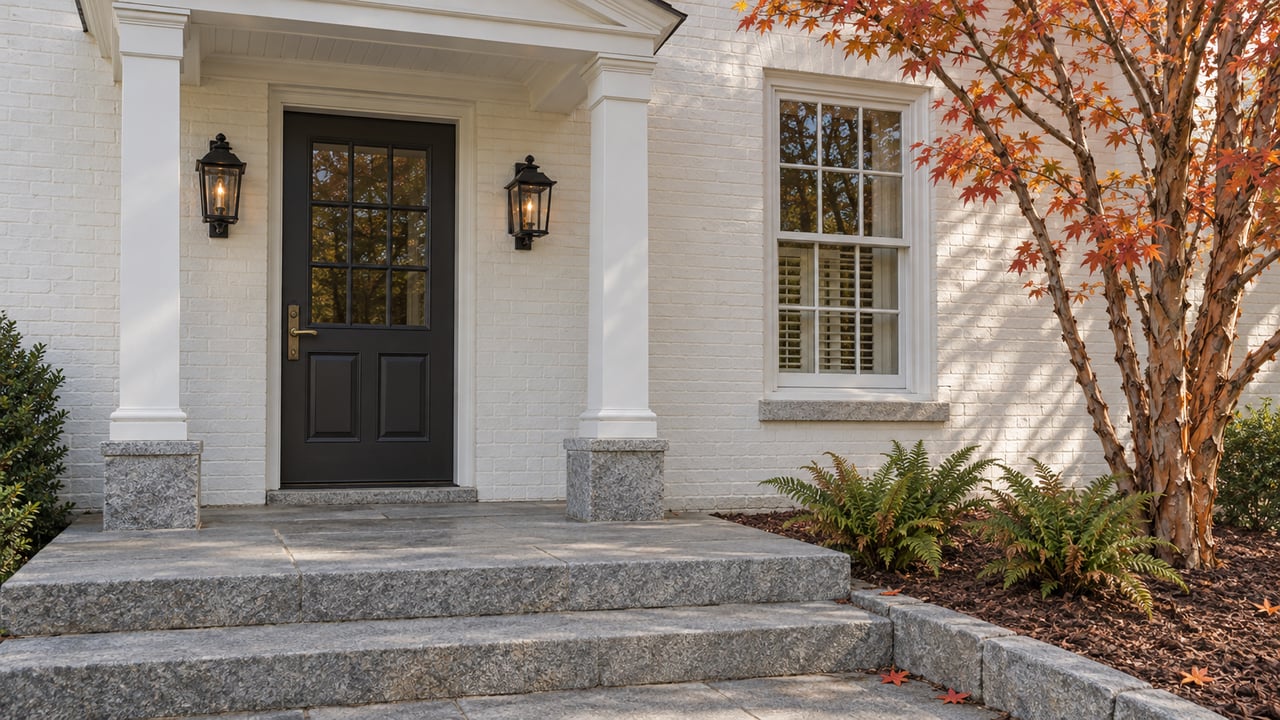
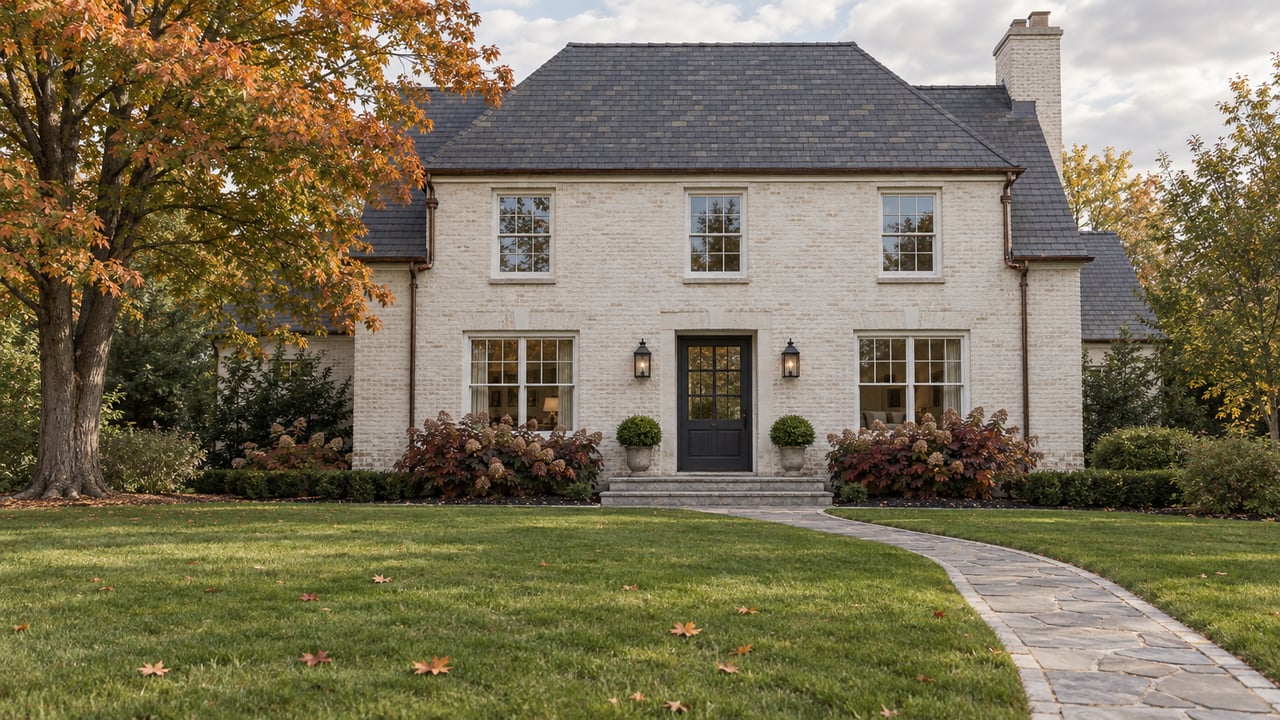
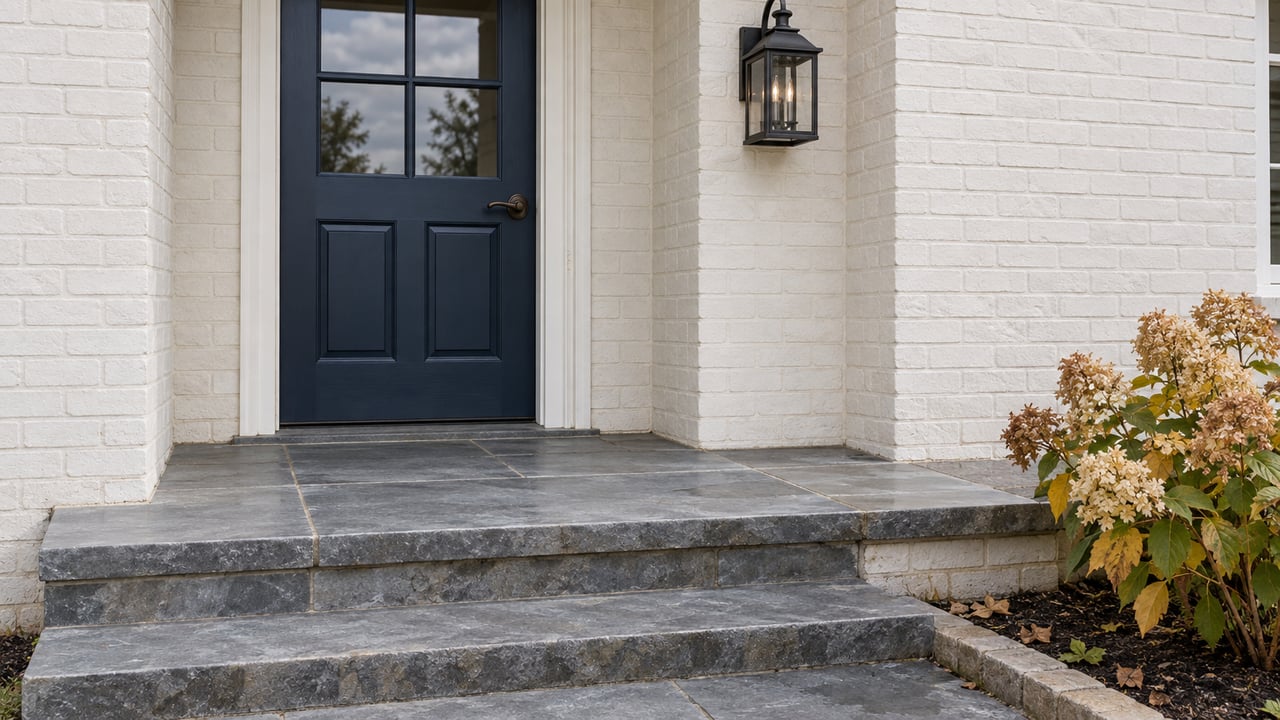
The style is easy to recognize once you know what to look for. Typical features include a symmetrical facade, centered front entry, multi-pane double-hung windows, fanlights or sidelights, columns or pilasters, and sometimes dormers or Palladian windows. The overall effect is balanced, calm, and timeless.
Inside, these homes often follow a formal and orderly layout. A center hall or side hall plan is common, though later versions may include one-story wings or more open interiors than earlier examples.
From a market perspective, Colonial Revival tends to photograph well and appeal broadly because the proportions feel familiar and polished. For sellers, that often translates into strong curb appeal. For buyers, it can mean a home that offers architectural character with a layout that may still adapt well to modern updates.
Best renovation approach for Colonials
With Colonial Revival homes, the front facade does a lot of the heavy lifting. Because symmetry is central to the style, the least disruptive changes are often at the rear or side.
Common paths include:
- Rear additions
- Mudroom creation
- Kitchen and family room expansion
- Attic or basement conversions
When those updates preserve the front elevation, the home usually keeps the sense of order that defines the style.
Shingle Style homes stand apart
A well-preserved Shingle Style house can feel especially distinctive in Wellesley’s luxury market. Historic New England describes the style as architect-designed and high-style, defined by complex massing wrapped in continuous wood shingles with relatively little applied ornament.
These homes are usually less boxy than Colonials. You may see irregular forms, broad porches, gambrel or other varied rooflines, and selective classical details such as simple columns or Palladian windows. Instead of relying on trim for effect, Shingle Style homes create drama through texture, silhouette, and massing.
That design approach can give the home a more expansive, flowing presence. In a market where many properties present with formal symmetry, a Shingle Style residence often stands out for its artistry and visual depth.
What buyers and sellers should notice
With Shingle Style homes, the roofline and unified exterior skin matter as much as any individual detail. If you are buying, it helps to look closely at how well the shingles, porches, and layered forms have been maintained or altered over time.
If you are selling, the strongest presentation usually highlights the home’s sculptural quality. Architectural photography, exterior angles, and seasonal curb appeal can all play an important role because this style is experienced as a whole composition rather than as a list of features.
Best renovation approach for Shingle Style
Additions and exterior repairs tend to work best when they preserve the continuous shingle envelope and the low, layered roof profile. The identity of the house comes from its overall massing, so changes that interrupt that flow can weaken what makes the architecture special in the first place.
Tudor Revival brings texture and drama
Tudor Revival is another style that strongly defines Wellesley luxury homes. Popular in the early 20th century, it is known for asymmetrical massing, steeply pitched cross-gable roofs, mixed materials, and a rich sense of texture.
The most familiar Tudor details include half-timbering with stucco infill, brick or stucco walls, tall narrow casement windows, recessed entries, and prominent chimneys. Even from the street, the roof silhouette usually does a lot of the visual work.
Where a Colonial often reads as formal and restrained, a Tudor tends to feel more picturesque. That can create a memorable presence in listing photography and in person, especially when original materials and details remain intact.
Best renovation approach for Tudors
For Tudor Revival homes, the highest-value updates usually respect the features that make the house read clearly as Tudor. That often means repairing rather than replacing elements such as:
- Half-timbering
- Stucco or masonry details
- Casement or leaded windows
- Chimney massing
Oversized modern openings or simplified exterior changes can dilute the architecture quickly. If you are planning improvements, it is worth thinking about how each decision affects the home’s roofline, texture, and historic character.
New custom homes and rebuilds
Not every Wellesley luxury home is historic in style. Newer custom builds are an important part of the local market, and many exist because older homes were removed and replaced.
The town’s housing draft notes that most post-2000 homes replaced older houses rather than adding net new supply. That pattern has shaped many streetscapes across Wellesley, where classic architectural language often sits alongside new construction with larger footprints and updated systems.
For buyers, a newer custom build may offer larger room sizes, newer mechanical systems, and less restoration risk. For sellers, newer homes can be highly marketable, but buyers will still pay close attention to how the scale feels on the lot and how the design relates to the street.
Why local review matters for new builds
In Wellesley, compatibility is not just a design preference. It is built into local review processes.
The town’s Large House Review applies to certain new homes and additions that exceed TLAG thresholds. The purpose is to minimize impacts related to landscape, scale, lighting, open space, drainage, and circulation.
That means architectural decisions for a new or expanded luxury home are tied to practical town standards. If you are evaluating a property, planning a renovation, or preparing a home for market, it helps to understand that scale and site fit are part of the conversation.
Preservation shapes luxury value
Wellesley’s preservation footprint is unusually large for a suburban town. The town’s housing draft says more than 1,100 buildings, one cemetery, and 125 objects and structures are listed in MACRIS, including 63 properties in five National Register districts and 47 individually listed properties.
That context matters because buyers are not just purchasing square footage. In many cases, they are buying into a street with a strong architectural rhythm, a property with historical significance, or a home where exterior changes may require more thought.
The town’s Historic Preservation Design Guidelines serve as an official reference for renovations, additions, and new construction involving older residences, both inside and outside historic districts. In local historic districts, exterior changes visible from a public way, park, or body of water are reviewed, while interior changes are not.
The Historic District Commission oversees 65 properties in the Cottage Street Historic District and five single-building historic districts. Separate from that, the Demolition Review Bylaw applies to dwellings built on or before December 31, 1949 and can require Historical Commission review if an owner plans to demolish the building or remove or envelop 50% or more of the exterior structure.
The town also uses Neighborhood Conservation Districts to address neighborhood character concerns in areas not eligible for historic-district status. These districts were authorized in response to the pace of home demolitions in the early 2000s and are intended to allow development without destroying a neighborhood’s special character.
How style affects buying and selling strategy
In Wellesley, architectural vocabulary has practical value. Knowing whether a home is Colonial Revival, Shingle Style, Tudor Revival, or a newer custom build helps you understand how it may be perceived, marketed, and improved.
For buyers, style can signal how much of the original form remains, how flexible the floor plan may be, and what kinds of updates are likely to fit naturally. It can also hint at whether a future project may move through a preservation or design review process.
For sellers, style helps shape pricing strategy, pre-market preparation, and presentation. A home with strong architectural integrity often benefits from marketing that clearly explains its design language, craftsmanship, and fit within Wellesley’s broader streetscape.
This is where construction fluency can make a real difference. When you understand not just what a home looks like, but how its design, scale, and update potential affect value, you can position it more precisely in a competitive luxury market.
Whether you are preparing to sell a landmark property, evaluating a renovation, or searching for a home whose architecture will hold long-term appeal, local insight matters. If you want a tailored, construction-informed perspective on Wellesley luxury real estate, connect with Jennifer Fish.
FAQs
What architectural styles are most common in Wellesley luxury homes?
- In Wellesley’s luxury market, Colonial Revival, Shingle Style, Tudor Revival, and newer custom rebuilds are among the most defining architectural categories.
What does “Colonial” usually mean in Wellesley real estate?
- In many Wellesley listings, “Colonial” is often used as shorthand for Colonial Revival, which typically features symmetry, a centered entry, and multi-pane windows.
Why are Shingle Style homes special in Wellesley?
- Shingle Style homes are relatively uncommon and are valued for their complex massing, continuous wood shingle exterior, broad porches, and strong architectural presence.
How does Tudor Revival architecture affect home value in Wellesley?
- Tudor Revival homes often stand out because of their steep rooflines, chimneys, mixed materials, and distinctive texture, all of which can contribute to memorable curb appeal when preserved well.
What is the Wellesley Demolition Review Bylaw?
- The bylaw applies to dwellings built on or before December 31, 1949 and can require Historical Commission review when an owner proposes demolition or removal or enclosure of 50% or more of the exterior structure.
What is Large House Review in Wellesley?
- Large House Review is the town’s process for certain new homes and additions that exceed TLAG thresholds, with a focus on impacts such as scale, landscape, lighting, open space, drainage, and circulation.
Why does architecture matter when selling a luxury home in Wellesley?
- Architecture influences how a home photographs, how buyers interpret its condition and character, what updates feel appropriate, and how the property fits into Wellesley’s local design and preservation context.